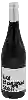
Winery L'OstalPlein Chant
 Red wine



This wine generally goes well with

Wine flavors and olphactive analysis

Details and technical informations about Winery L'Ostal's Plein Chant.
Discover the grape variety: Côt
Powerful, structured reds with an almost black inky robe, firm tannins and preserved acidity, with intense aromas of blackberry, plum, blackcurrant, violet, cocoa, spice and balsamic notes. Fine ageing potential. Absolute star of Cahors AOC on the Lot terraces, where it is called Auxerrois (minimum 70% in blends), and a global conqueror as Malbec in Argentina (Mendoza). Also found in Touraine (Côt de Loire) and the South-West. Autochthonous French variety from Quercy.
Last vintages of this wine
The best vintages of Plein Chant from Winery L'Ostal are 2015
Informations about the Winery L'Ostal
The Winery L'Ostal is one of of the world's greatest estates. It offers 19 wines for sale in the of Vin de France to come and discover on site or to buy online.

The wine region of Vin de France
The freest category of French wine, the playground of winemakers working outside the AOC. All styles combined: fruity reds, lively or ambitious whites, everyday rosés, unusual blends, natural wines, atypical grapes (Petit Manseng in Languedoc, Riesling in Provence), experimental winemaking (skin-contact whites, no sulphur). Grape and vintage labelling allowed, no geographic constraint. From the pop, convivial cuvée to the artisan gem: freedom in a bottle.
The word of the wine: Black Grenache
Grenache is a black grape variety that originated in Spain and is one of the great quality varieties of southern France. Sometimes vinified on its own, it is most often blended with one or more other Rhone or southern grape varieties with complementary qualities such as Syrah, Mourvèdre, Carignan or Cinsault. Its wines are warm, with aromas of red fruits (cherry) and spices; they oxidize with time. Vinified alone or in very large proportions, Grenache Noir also makes great natural sweet wines in Roussillon (Rivesaltes, Banyuls, Maury) and in the Rhône Valley (Rasteau).