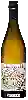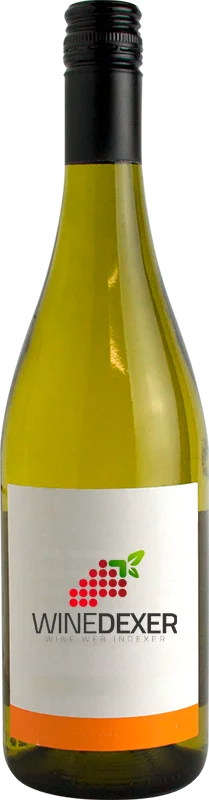
Winery LichtiGrosskarlbacher Burgweg Sauvignon Gris Trocken
 White wine


This wine generally goes well with
Details and technical informations about Winery Lichti's Grosskarlbacher Burgweg Sauvignon Gris Trocken.
Discover the grape variety: Carignan
Mainly cultivated in the Languedoc region, carignan originates from Spain. Because of its very resistant branches, it is often called hardwood. Its bunches are quite large. They are compact and winged with a lignified stalk. The berries are spherical in shape and take on a bluish-black colour. Carignan has a total of 25 approved clones, the best known of which are 274, 65 and 9. The carignan buds at the beginning of June and is protected from spring frosts. It does not reach maturity until the third period. Also, this grape variety needs warmth and sunshine. It appreciates dry and not very fertile soils. Carignan vines can live for more than 100 years. Those that are more than 30 years old produce a better wine. This wine is well coloured. It is generous and powerful at the same time. Pepper, cherry, blackberry, banana, raspberry, almond, prune and violet are some of the aromas that this grape variety gives off.
Last vintages of this wine
The best vintages of Grosskarlbacher Burgweg Sauvignon Gris Trocken from Winery Lichti are 0
Informations about the Winery Lichti
The Winery Lichti is one of of the world's great estates. It offers 30 wines for sale in the of Pfalz to come and discover on site or to buy online.

The wine region of Pfalz
Pfalz is a key wine producing region in western Germany, located between the Rhein/Rhine river and the low-lying Haardt mountain range (a natural continuation of the Alsatian Vosges). It covers a rectangle of land 45 miles (75km) Long and 15 miles (25km) wide. To the NorthLiesRheinhessen; to the South, the French border and Alsace. In terms of both quality and quantity, Pfalz is one of Germany's most important regions, and one which shows great promise for the future.
The word of the wine: Ancestral method
A method of making certain sparkling wines such as blanquette de Limoux, sparkling gaillac or clairette de Die, which consists of a second fermentation in the bottle based on natural sugars and yeasts naturally brought by the grapes (unlike the méthode champenoise, which requires the addition of tirage liquor).