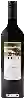
Winery Les Vins du LittoralLa Récolte Corbières
 Red wine
This wine generally goes well with beef, veal or pasta.

Food and wine pairings with La Récolte Corbières
Pairings that work perfectly with La Récolte Corbières



Original food and wine pairings with La Récolte Corbières
The La Récolte Corbières of Winery Les Vins du Littoral matches generally quite well with dishes of beef, pasta or veal such as recipes of beef goulash, smoked salmon pasta gratin or cutlets with portuguese sauce.
Details and technical informations about Winery Les Vins du Littoral's La Récolte Corbières.
Discover the grape variety: Jurançon noir
Light, fruity reds with a clear ruby robe, smooth tannins and a supple palate of simple red fruits (raspberry, cherry), gentle spices and floral notes. A thirst-quenching profile to drink young. Once widespread in the South-West, now marginal, preserved in a few heritage parcels in Béarn and Bigorre. Native French grape of the South-West, not to be confused with the Jurançon appellation (white wines).
Informations about the Winery Les Vins du Littoral
The Winery Les Vins du Littoral is one of of the world's great estates. It offers 243 wines for sale in the of Corbières to come and discover on site or to buy online.

The wine region of Corbières
Largest AOC in Languedoc, 95% Mediterranean reds. Signature old-vine Carignan (up to 60%): fleshy reds with black fruit, garrigue, black olive, spice and tight tannins. Blended with round, sunny Grenache, peppery Syrah, dense Mourvèdre and supple Cinsault. A few fresh rosés and whites (Grenache Blanc, Roussanne).
The wine region of Languedoc-Roussillon
Largest single French vineyard, dominated by sunny, generous reds. Spicy Syrah, candied Grenache (ripe fruit, garrigue), structured Carignan, deep Mourvèdre, supple Cinsault. Stars: structured Corbières, Minervois, Faugères, Saint-Chinian; round Côtes-du-Roussillon. Legendary vins doux naturels: Banyuls and Maury (fortified Grenache) with notes of cocoa, fig, prune.
The word of the wine: Sweet
Generic term for wines containing residual sugar (natural sugars in the grapes that have not been transformed into alcohol). It is also used to describe a wine with a dominantly sweet flavour, without further explanation.