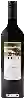
Winery Les Vins du LittoralChâtelaine Diorer Corbières
 Red wine
This wine generally goes well with beef, veal or pasta.

Food and wine pairings with Châtelaine Diorer Corbières
Pairings that work perfectly with Châtelaine Diorer Corbières



Original food and wine pairings with Châtelaine Diorer Corbières
The Châtelaine Diorer Corbières of Winery Les Vins du Littoral matches generally quite well with dishes of beef, pasta or veal such as recipes of burger roll, bean soup and spaghetti (traditional andalusian dish) or veal blanquette burger.
Details and technical informations about Winery Les Vins du Littoral's Châtelaine Diorer Corbières.
Discover the grape variety: Cinsault
Light, fresh reds with a clear robe, supple tannins and a tender mouth, featuring aromas of wild strawberry, raspberry, rose, peony and soft spices. The absolute pillar of Provençal rosés (Côtes de Provence AOC, Bandol rosé) to which it brings finesse and freshness, also a component of GSM blends in Côtes-du-Rhône and Languedoc. Also a single variety in South Africa where it is a parent of Pinotage. Historic southern French grape.
Informations about the Winery Les Vins du Littoral
The Winery Les Vins du Littoral is one of wineries to follow in Corbières.. It offers 243 wines for sale in the of Corbières to come and discover on site or to buy online.

The wine region of Corbières
Largest AOC in Languedoc, 95% Mediterranean reds. Signature old-vine Carignan (up to 60%): fleshy reds with black fruit, garrigue, black olive, spice and tight tannins. Blended with round, sunny Grenache, peppery Syrah, dense Mourvèdre and supple Cinsault. A few fresh rosés and whites (Grenache Blanc, Roussanne).
The wine region of Languedoc-Roussillon
Largest single French vineyard, dominated by sunny, generous reds. Spicy Syrah, candied Grenache (ripe fruit, garrigue), structured Carignan, deep Mourvèdre, supple Cinsault. Stars: structured Corbières, Minervois, Faugères, Saint-Chinian; round Côtes-du-Roussillon. Legendary vins doux naturels: Banyuls and Maury (fortified Grenache) with notes of cocoa, fig, prune.
The word of the wine: Braucol
See servadou iron.