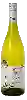
Les Vignerons du CeressouRouge
 Red wine
This wine generally goes well with beef, veal or pasta.

Food and wine pairings with Rouge
Pairings that work perfectly with Rouge



Original food and wine pairings with Rouge
The Rouge of Les Vignerons du Ceressou matches generally quite well with dishes of beef, pasta or veal such as recipes of wild boar stew in burgundy style, pasta gratin with courgettes and ham or puchero.
Details and technical informations about Les Vignerons du Ceressou's Rouge.
Discover the grape variety: Encruzado
Structured, aromatic dry whites with a pale golden robe, an ample palate and preserved acidity, with signature aromas of citrus (lemon), white-fleshed fruits (peach, pear), white flowers (acacia) and granitic mineral notes. Fine ageing potential, sometimes barrel-aged. Absolute star of Dão DOC, considered the great white wine of the region, excelling as a single variety. Autochthonous Portuguese white variety from the Dão.
Informations about the Les Vignerons du Ceressou
The Les Vignerons du Ceressou is one of of the world's greatest estates. It offers 24 wines for sale in the of Hérault to come and discover on site or to buy online.

The wine region of Hérault
Vast Languedoc IGP between the Cévennes and the Étang de Thau: Syrah, Grenache and Mourvèdre signatures in powerful, fruity reds with black fruit (blackberry, blackcurrant), garrigue, Mediterranean spices and a peppery touch, coated tannins. Cabernet, Merlot, Cinsault and Carignan complement. Grenache Blanc, Macabeu and Terret in accessible whites, plus aromatic Sauvignon, Chardonnay, Viognier. Fresh rosés.
The wine region of Pays d'Oc
The single-grape IGP par excellence: modern, accessible, frank and fruity wines, the popular signature of the Midi. Spicy Syrah reds (pepper, blackberry), round Merlot, structured Cabernet, generous Grenache, supple Cinsault. Crisp, tangy rosés. Opulent Chardonnay whites, lively Sauvignon, floral, apricoty Viognier.
The word of the wine: Tartar (deposit)
White, chalky deposits that occur as a result of precipitation inside bottles and are often considered by consumers as a defect. They are in fact tartaric salts formed by tartaric acid, potassium and calcium naturally present in the wine. This deposit does not alter the quality of the wine and can be eliminated by a simple decanting.