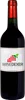
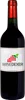
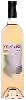
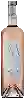
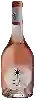
Les Vignerons du CastellasLou Castellas Rosé
 Pink wine
This wine generally goes well with beef, mature and hard cheese or spicy food.

Food and wine pairings with Lou Castellas Rosé
Pairings that work perfectly with Lou Castellas Rosé



Original food and wine pairings with Lou Castellas Rosé
The Lou Castellas Rosé of Les Vignerons du Castellas matches generally quite well with dishes of shellfish, appetizers and snacks or lean fish such as recipes of cuttlefish a la plancha, zakouski: russian appetizer or whiting fillets with pepper cream.
Details and technical informations about Les Vignerons du Castellas's Lou Castellas Rosé.
Discover the grape variety: Caladoc
Deeply coloured, structured reds with a dense purple robe, smooth tannins and a round palate, with aromas of blackberry, blackcurrant, plum, garrigue, spice and balsamic notes. Good short-to-medium ageing. Vinified in blends and as single varietal in IGP Pays d'Oc and Méditerranée (Languedoc-Roussillon, Provence), also adopted in Morocco, Tunisia, Israel and Spain. A Grenache × Malbec cross created in 1958 by Paul Truel in Montpellier (INRA).
Informations about the Les Vignerons du Castellas
The Les Vignerons du Castellas is one of of the world's great estates. It offers 28 wines for sale in the of Méditerranée to come and discover on site or to buy online.

The wine region of Méditerranée
Vast IGP of south-east France (Provence, Vaucluse, Var, Corsica, Ardèche), 75% rosés. Fresh, fruity rosés with signature notes of strawberry, raspberry, citrus, white flowers and a Mediterranean touch, taut and thirst-quenching on the palate — the quintessential sunny aperitif. Supple reds blending Grenache, Syrah, Cabernet and Merlot (red fruits, garrigue, spice), full whites of Viognier (apricot, flowers) and Chardonnay. Generous everyday wines, expression of the south.
The word of the wine: Baco 22A
A white grape variety resulting from the hybridization of the folle blanche and the noah. It is the only hybrid to remain authorized in a French appellation vineyard, that of Armagnac, where it thrives in particular on the tawny sands of Bas-Armagnac. When distilled, its wine produces round, smooth and aromatic eaux-de-vie with hints of ripe fruit.