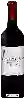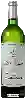
Château Les Sapins de GaillouBordeaux Sauvignon
 White wine


In the mouth this white wine is a powerful.
This wine generally goes well with pork, vegetarian or poultry.
Taste structure of the Bordeaux Sauvignon from the Château Les Sapins de Gaillou
Light | Bold | |
Dry | Sweet | |
Soft | Acidic |
In the mouth the Bordeaux Sauvignon of Château Les Sapins de Gaillou in the region of Bordeaux is a powerful.
Food and wine pairings with Bordeaux Sauvignon
Pairings that work perfectly with Bordeaux Sauvignon



Original food and wine pairings with Bordeaux Sauvignon


The Bordeaux Sauvignon of Château Les Sapins de Gaillou matches generally quite well with dishes of pork, vegetarian or poultry such as recipes of pizza calzone with ham and mushrooms, quiche with leeks and fresh salmon from flo or chicken fillets with mustard and cream.
Details and technical informations about Château Les Sapins de Gaillou's Bordeaux Sauvignon.
Discover the grape variety: Bonne Vituaigne
It is most certainly native to the Ardèche and is not found in any other French region, let alone abroad. Today, it is practically not multiplied any more and thus in very clear way of disappearance.
Last vintages of this wine
The best vintages of Bordeaux Sauvignon from Château Les Sapins de Gaillou are 2012
Informations about the Château Les Sapins de Gaillou
The Château Les Sapins de Gaillou is one of of the world's greatest estates. It offers 3 wines for sale in the of Bordeaux to come and discover on site or to buy online.

The wine region of Bordeaux
Bordeaux, in southwestern France, is one of the most famous, prestigious and prolific wine regions in the world. The majority of Bordeaux wines (nearly 90% of the production Volume) are the Dry, medium and Full-bodied red Bordeaux blends for which it is famous. The finest (and most expensive) are the wines of the great châteaux of Haut-Médoc and the right bank appellations of Saint-Émilion and Pomerol. The former focuses (at the highest level) on Cabernet Sauvignon, the latter on Merlot.
The word of the wine: Overmaturation
When the grapes reach maturity, the skin becomes permeable and progressively loses water, which causes a concentration phenomenon inside the berry. This is called over-ripening or passerillage.