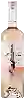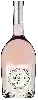
Winery Les JamellesSyrah Rosé
 Pink wine
In the mouth this pink wine is a with a nice freshness.
This wine generally goes well with vegetarian, appetizers and snacks or lean fish.

Taste structure of the Syrah Rosé from the Winery Les Jamelles
Light | Bold | |
Dry | Sweet | |
Soft | Acidic |
In the mouth the Syrah Rosé of Winery Les Jamelles in the region of Pays d'Oc is a with a nice freshness.
Food and wine pairings with Syrah Rosé
Pairings that work perfectly with Syrah Rosé



Original food and wine pairings with Syrah Rosé


The Syrah Rosé of Winery Les Jamelles matches generally quite well with dishes of pasta, vegetarian or appetizers and snacks such as recipes of pasta à la forestière (chanterelles), broccoli and blue cheese quiche without pastry or beetroot chips.
Details and technical informations about Winery Les Jamelles's Syrah Rosé.
Discover the grape variety: Neyret
Structured, colourful reds with a deep ruby hue, firm tannins and a dense palate with fresh acidity; signature aromas of red fruits (cherry, morello), dark fruits (blackberry), spices and alpine mineral notes. Characterful high-altitude profile. Preserved for its heritage value, producing artisan high-altitude cuvées in the Aosta Valley. Native Italian black grape of the Aosta Valley, grown in tiny quantities.
Informations about the Winery Les Jamelles
The Winery Les Jamelles is one of of the world's great estates. It offers 92 wines for sale in the of Pays d'Oc to come and discover on site or to buy online.

The wine region of Pays d'Oc
The single-grape IGP par excellence: modern, accessible, frank and fruity wines, the popular signature of the Midi. Spicy Syrah reds (pepper, blackberry), round Merlot, structured Cabernet, generous Grenache, supple Cinsault. Crisp, tangy rosés. Opulent Chardonnay whites, lively Sauvignon, floral, apricoty Viognier.
The word of the wine: Deposit
Solid particles that can naturally coat the bottom of a bottle of wine. It is rather a guarantee that the wine has not been mistreated: in fact, to avoid the natural deposit, rather violent processes of filtration or cold passage (- 7 or - 8 °C) are used in order to precipitate the tartar (the small white crystals that some people confuse with crystallized sugar: just taste to dissuade you from it)