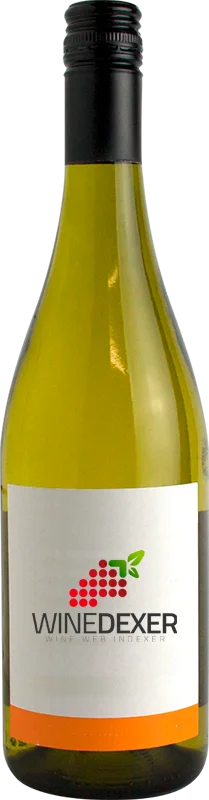
Les ClosDomengé Pacherenc du Vic-Bilh
 White wine
This wine generally goes well with
Details and technical informations about Les Clos's Domengé Pacherenc du Vic-Bilh.
Discover the grape variety: Xarello
Most certainly Spanish, it is practically unknown in France, registered in the Official Catalogue of wine grape varieties, list A2.
Informations about the Les Clos
The Les Clos is one of of the world's greatest estates. It offers 5 wines for sale in the of Pacherenc du Vic-Bilh to come and discover on site or to buy online.

The wine region of Pacherenc du Vic-Bilh
The wine region of Pacherenc du Vic-Bilh is located in the region of Pyrenées of South West of France. Wineries and vineyards like the Domaine Plaimont or the Cave de Crouseilles produce mainly wines sweet, white and red. The most planted grape varieties in the region of Pacherenc du Vic-Bilh are Petit Manseng, Gros Manseng and Petit Courbu, they are then used in wines in blends or as a single variety. On the nose of Pacherenc du Vic-Bilh often reveals types of flavors of citrus, lime or nutty and sometimes also flavors of peach, tropical or chocolate.
The wine region of South West
The South-West is a large territorial area of France, comprising the administrative regions of Aquitaine, Limousin and Midi-Pyrénées. However, as far as the French wine area is concerned, the South-West region is a little less clear-cut, as it excludes Bordeaux - a wine region so productive that it is de facto an area in its own right. The wines of the South West have a Long and eventful history. The local rivers play a key role, as they were the main trade routes to bring wines from traditional regions such as Cahors, Bergerac, Buzet and Gaillac to their markets.
The word of the wine: Prompt bud
A bud that develops in the year of its formation and gives an entrecoeur.