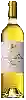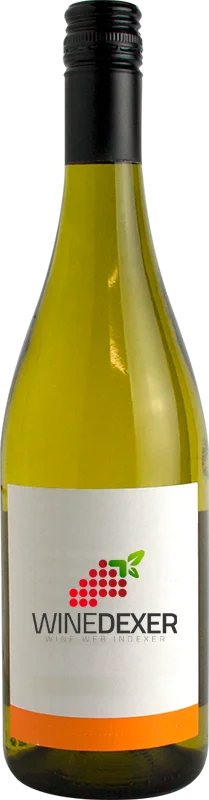
Winery Les Chais RéunisDomaine de Filleau Sauternes
 Sweet wine
This wine generally goes well with fruity desserts and blue cheese.
Food and wine pairings with Domaine de Filleau Sauternes
Pairings that work perfectly with Domaine de Filleau Sauternes

Original food and wine pairings with Domaine de Filleau Sauternes
The Domaine de Filleau Sauternes of Winery Les Chais Réunis matches generally quite well with dishes of fruity desserts or blue cheese such as recipes of the coughing cat's apple crumble or potato gratin with blue cheese and bacon.
Details and technical informations about Winery Les Chais Réunis's Domaine de Filleau Sauternes.
Discover the grape variety: Lercat
Most certainly Pyrenean of Jurançonnais more precisely. It has long been confused with the lauzet, although its leaves are somewhat different. It is practically no longer present in the vineyards, which means that it is clearly on the way out. Published genetic analyses have revealed that it is related to one or more grape varieties, including Courbu Blanc. For more information, click here! - Synonymy: Arcat in Lasseube (Pyrénées atlantiques) (the synonymy of the grape varieties, click here!).
Informations about the Winery Les Chais Réunis
The Winery Les Chais Réunis is one of of the world's great estates. It offers 57 wines for sale in the of Sauternes to come and discover on site or to buy online.

The wine region of Sauternes
Sauternes, 65 km South of Bordeaux, is a Village renowned for its high quality Sweet wines. Although some wineries produce Dry wines, they sell them under other appellations than Sauternes, which is specific to sweet wines. The village is surrounded on all sides by vineyards, the best of which produce some of the most prestigious, long-lasting and expensive dessert wines in the world. A half bottle of premium, aged Sauternes from a good Vintage can sell for over $1,000.
The wine region of Bordeaux
Bordeaux, in southwestern France, is one of the most famous, prestigious and prolific wine regions in the world. The majority of Bordeaux wines (nearly 90% of the production Volume) are the Dry, medium and Full-bodied red Bordeaux blends for which it is famous. The finest (and most expensive) are the wines of the great châteaux of Haut-Médoc and the right bank appellations of Saint-Émilion and Pomerol. The former focuses (at the highest level) on Cabernet Sauvignon, the latter on Merlot.
The word of the wine: Alcooleux
Said of a wine dominated by the presence of alcohol.