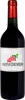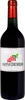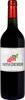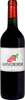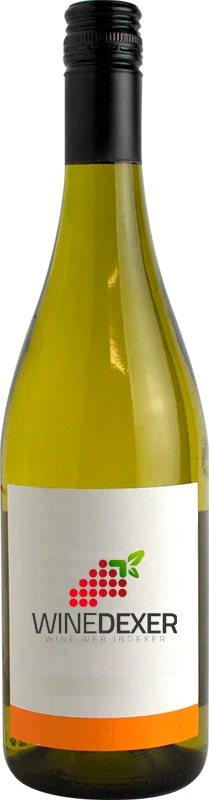
Winery LegionarioSauvignon Blanc
 White wine


In the mouth this white wine is a with a nice freshness.
This wine generally goes well with vegetarian, shellfish or goat cheese.
Taste structure of the Sauvignon Blanc from the Winery Legionario
Light | Bold | |
Dry | Sweet | |
Soft | Acidic |
In the mouth the Sauvignon Blanc of Winery Legionario in the region of Mendoza is a with a nice freshness.
Food and wine pairings with Sauvignon Blanc
Pairings that work perfectly with Sauvignon Blanc



Original food and wine pairings with Sauvignon Blanc
The Sauvignon Blanc of Winery Legionario matches generally quite well with dishes of shellfish, vegetarian or goat cheese such as recipes of squid rings with tomato, light tuna-tomato quiche (without cream) or goat cheese and mint pie.
Details and technical informations about Winery Legionario's Sauvignon Blanc.
Discover the grape variety: Reine des vignes
Obtained in Hungary in 1916 by Jean (Janos) Mathiasz by crossing the Beirut date tree with the Csaba pearl. This variety is nowadays very little multiplied, but it is registered in the Official Catalogue of table grape varieties list A1.
Last vintages of this wine
The best vintages of Sauvignon Blanc from Winery Legionario are 0, 2019
Informations about the Winery Legionario
The Winery Legionario is one of of the world's greatest estates. It offers 6 wines for sale in the of Mendoza to come and discover on site or to buy online.

The wine region of Mendoza
Mendoza is by far the largest wine region in Argentina. Located on a high-altitude plateau at the edge of the Andes Mountains, the province is responsible for roughly 70 percent of the country's annual wine production. The French Grape variety Malbec has its New World home in the vineyards of Mendoza, producing red wines of great concentration and intensity. The province Lies on the western edge of Argentina, across the Andes Mountains from Chile.
The word of the wine: Rootstock
American vine on which a French vine is grafted. This is the consequence of the phylloxera that destroyed the vineyard at the end of the 19th century: after much trial and error, it was discovered that the "pest" spared the roots of the American vines, and the technique became widespread.