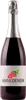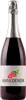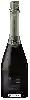
Winery Le CorneFranciacorta Brut Millesimato Riserva
 Sparkling wine


This wine generally goes well with

Details and technical informations about Winery Le Corne's Franciacorta Brut Millesimato Riserva.
Discover the grape variety: Troyen
Simple, fresh dry whites with a pale golden colour, a supple palate with moderate acidity, and understated aromas of citrus and white flowers. Discreet Champenois profile. Nearly extinct, preserved in varietal collections for its heritage value, it belongs to the ancient grape varieties of Champagne and the Aube studied for their genetic and historical interest. A rare French white grape variety once cultivated in Champagne and the Aube.
Last vintages of this wine
The best vintages of Franciacorta Brut Millesimato Riserva from Winery Le Corne are 2011, 0
Informations about the Winery Le Corne
The Winery Le Corne is one of of the world's greatest estates. It offers 31 wines for sale in the of Franciacorta to come and discover on site or to buy online.

The wine region of Franciacorta
The Italian Champagne, the country's largest DOCG zone for classic-method sparklers. Fine, refined bubbles with signature notes of green apple, citrus, brioche, toasted almond and white flowers, taut and creamy finish (18 months minimum on lees, up to 60 for Riserva). Based on dominant Chardonnay, Pinot Noir for structure, Pinot Blanc for roundness. Satèn (low pressure, silky) and fruity rosé versions.
The wine region of Lombardia
Three poles. Franciacorta DOCG, Italy's answer to Champagne: elegant brioche traditional-method sparklers (Chardonnay, Pinot Noir, Pinot Blanc), fine bubble and mineral profile. Alpine Valtellina: Nebbiolo (alias Chiavennasca) with fine tannins and red fruits, powerful Sforzato passito. Oltrepò Pavese: fresh Pinot Noir and fruity-sparkling Bonarda.
The word of the wine: Phylloxera
Aphid that came from America and ravaged European vineyards at the end of the 19th century. It lives on the roots of the vine, from which it pumps the sap. The only vines capable of resisting it had to be imported from the United States, and then grafted onto their root system the wood of traditional French grape varieties. Today, grafted vines are always planted.