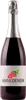
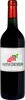
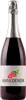
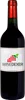
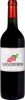
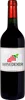
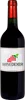
Winery Le CorneDivenire 1819
 Red wine
In the mouth this red wine is a powerful with a lot of tannins present in the mouth.
This wine generally goes well with beef, game (deer, venison) or lamb.

Taste structure of the Divenire 1819 from the Winery Le Corne
Light | Bold | |
Smooth | Tannic | |
Dry | Sweet | |
Soft | Acidic |
In the mouth the Divenire 1819 of Winery Le Corne in the region of Lombardia is a powerful with a lot of tannins present in the mouth.
Food and wine pairings with Divenire 1819
Pairings that work perfectly with Divenire 1819



Original food and wine pairings with Divenire 1819

The Divenire 1819 of Winery Le Corne matches generally quite well with dishes of beef, pasta or lamb such as recipes of oxtail with seed sauce, express seafood spaghetti or lamb sweetbreads with white wine and sorrel cream.
Details and technical informations about Winery Le Corne's Divenire 1819.
Discover the grape variety: Roussin
Light and fruity reds with a light ruby colour, melted tannins and a light palate, offering discreet signature aromas of red fruits (cherry, strawberry) and floral notes. A confidential heritage profile. Now almost extinct, preserved in a few INRAE ampelographic collections, it bears witness to the varietal diversity of the old French vineyard. Rare French black variety, once grown in the Loire Valley and Burgundy.
Informations about the Winery Le Corne
The Winery Le Corne is one of of the world's great estates. It offers 31 wines for sale in the of Lombardia to come and discover on site or to buy online.

The wine region of Lombardia
Three poles. Franciacorta DOCG, Italy's answer to Champagne: elegant brioche traditional-method sparklers (Chardonnay, Pinot Noir, Pinot Blanc), fine bubble and mineral profile. Alpine Valtellina: Nebbiolo (alias Chiavennasca) with fine tannins and red fruits, powerful Sforzato passito. Oltrepò Pavese: fresh Pinot Noir and fruity-sparkling Bonarda.
The word of the wine: Classified growth
Place name or castle subject to a classification (Médoc classification of 1855, classified growths of Alsace...)