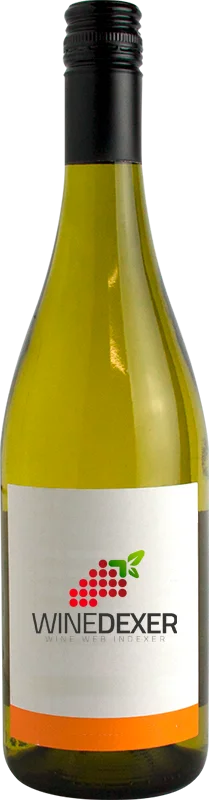
Winery Le CorneCornellino Bianco
 White wine


In the mouth this white wine is a powerful.
This wine generally goes well with lean fish, shellfish or mature and hard cheese.

Taste structure of the Cornellino Bianco from the Winery Le Corne
Light | Bold | |
Dry | Sweet | |
Soft | Acidic |
In the mouth the Cornellino Bianco of Winery Le Corne in the region of Lombardia is a powerful.
Food and wine pairings with Cornellino Bianco
Pairings that work perfectly with Cornellino Bianco



Original food and wine pairings with Cornellino Bianco


The Cornellino Bianco of Winery Le Corne matches generally quite well with dishes of pasta, shellfish or mature and hard cheese such as recipes of tunisian pasta, parillade of fish and seafood or high savoyard chicken !.
Details and technical informations about Winery Le Corne's Cornellino Bianco.
Discover the grape variety: Gros Colman
Table grape with long clusters and spherical blue-black berries with thick skin and juicy flesh, with a pleasant sweet taste. Late-ripening. Very rarely vinified. Father of the Alphonse Lavallée. Now marginal in commercial cultivation, it survives in a few amateur gardens and ampelographic collections for its heritage value and genetic interest. French black table grape variety, grown for fresh consumption in the 19th century.
Last vintages of this wine
The best vintages of Cornellino Bianco from Winery Le Corne are 0
Informations about the Winery Le Corne
The Winery Le Corne is one of of the world's great estates. It offers 31 wines for sale in the of Lombardia to come and discover on site or to buy online.

The wine region of Lombardia
Three poles. Franciacorta DOCG, Italy's answer to Champagne: elegant brioche traditional-method sparklers (Chardonnay, Pinot Noir, Pinot Blanc), fine bubble and mineral profile. Alpine Valtellina: Nebbiolo (alias Chiavennasca) with fine tannins and red fruits, powerful Sforzato passito. Oltrepò Pavese: fresh Pinot Noir and fruity-sparkling Bonarda.
The word of the wine: Tries (harvest by)
Harvesting in several successive passages to harvest at their optimal concentration the grapes affected by noble rot. They allow the production of great sweet wines.