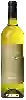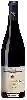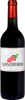
Le Clos GoutinesJulie Caprice Saint-Chinian
 Red wine
This wine generally goes well with beef, veal or pasta.
Food and wine pairings with Julie Caprice Saint-Chinian
Pairings that work perfectly with Julie Caprice Saint-Chinian



Original food and wine pairings with Julie Caprice Saint-Chinian
The Julie Caprice Saint-Chinian of Le Clos Goutines matches generally quite well with dishes of beef, pasta or veal such as recipes of pork shoulder with mustard, pasta with peas and bacon or meatballs catalan style.
Details and technical informations about Le Clos Goutines's Julie Caprice Saint-Chinian.
Discover the grape variety: Vilana
A very old grape variety grown in Greece - one of the main ones - most often at high altitude, it is said to have originated on the island of Crete. It can also be found in Italy, but is practically unknown in France. D.N.A. analyses have shown that it is related to Thrapsthiri and Vidiano.
Informations about the Le Clos Goutines
The Le Clos Goutines is one of of the world's greatest estates. It offers 2 wines for sale in the of Saint-Chinian to come and discover on site or to buy online.

The wine region of Saint-Chinian
Saint-Chinian is an appellation in the Languedoc-roussillon">Languedoc-Roussillon wine region of southern France. It is located between Minervois and Faugeres, which produce similar styles of robust red wine from similar grapes and in a similar landscape. It is also adjacent to the Muscat de Saint-Jean-de-Minervois appellation, which produces Sweet white wines. Therefore, the diversity of the Languedoc region is well demonstrated in this small area.
The wine region of Languedoc-Roussillon
Languedoc (formerly Coteaux du Languedoc) is a key appellation used in the Languedoc-Roussillon wine region of southern France. It covers Dry table wines of all three colors (red, white and rosé) from the entire region, but leaves Sweet and Sparkling wines to other more specialized appellations. About 75% of all Languedoc wines are red, with the remaining 25% split roughly down the middle between whites and rosés. The appellation covers most of the Languedoc region and almost a third of all the vineyards in France.
The word of the wine: Harvesting and handling
In Champagne, a winegrower who makes his own vintages exclusively from grapes grown on his own property.