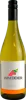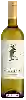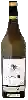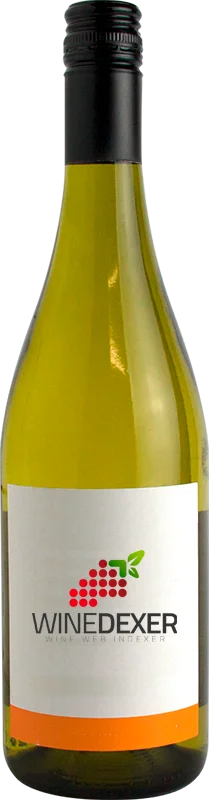
Winery Laurent MiquelClacson Sauvignon Blanc
 White wine



In the mouth this white wine is a powerful.
This wine generally goes well with vegetarian, poultry or lean fish.

Taste structure of the Clacson Sauvignon Blanc from the Winery Laurent Miquel
Light | Bold | |
Dry | Sweet | |
Soft | Acidic |
In the mouth the Clacson Sauvignon Blanc of Winery Laurent Miquel in the region of Pays d'Oc is a powerful.
Food and wine pairings with Clacson Sauvignon Blanc
Pairings that work perfectly with Clacson Sauvignon Blanc



Original food and wine pairings with Clacson Sauvignon Blanc


The Clacson Sauvignon Blanc of Winery Laurent Miquel matches generally quite well with dishes of pasta, vegetarian or poultry such as recipes of spinach, smoked salmon and ricotta lasagne, spinach and goat cheese quiche or one pot pasta with creamy chicken farfalle.
Details and technical informations about Winery Laurent Miquel's Clacson Sauvignon Blanc.
Discover the grape variety: Cabernet-Severnyi
Deep-coloured, fruity reds with a dark ruby colour, moderate tannins and a direct palate; signature aromas of red fruits (cherry, raspberry), gentle spices and herbal notes typical of disease-resistant hybrids. Early-ripening northern profile. Grown in Russia, Ukraine and Eastern Europe in extreme continental vineyards. Russian black hybrid obtained in 1959, involving Cabernet Sauvignon.
Last vintages of this wine
The best vintages of Clacson Sauvignon Blanc from Winery Laurent Miquel are 2018, 2016
Informations about the Winery Laurent Miquel
The Winery Laurent Miquel is one of of the world's great estates. It offers 144 wines for sale in the of Pays d'Oc to come and discover on site or to buy online.

The wine region of Pays d'Oc
The single-grape IGP par excellence: modern, accessible, frank and fruity wines, the popular signature of the Midi. Spicy Syrah reds (pepper, blackberry), round Merlot, structured Cabernet, generous Grenache, supple Cinsault. Crisp, tangy rosés. Opulent Chardonnay whites, lively Sauvignon, floral, apricoty Viognier.
The word of the wine: Trader-breeder
In the major wine regions, the négociant does not simply buy and resell the wines but, from very young wines, carries out all the maturing operations until bottling.