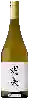
Bodega Las CepasReserve Chardonnay
 White wine



In the mouth this white wine is a .
This wine generally goes well with pork, vegetarian or poultry.

Taste structure of the Reserve Chardonnay from the Bodega Las Cepas
Light | Bold | |
Dry | Sweet | |
Soft | Acidic |
In the mouth the Reserve Chardonnay of Bodega Las Cepas in the region of Rioja is a .
Food and wine pairings with Reserve Chardonnay
Pairings that work perfectly with Reserve Chardonnay



Original food and wine pairings with Reserve Chardonnay

The Reserve Chardonnay of Bodega Las Cepas matches generally quite well with dishes of pork, rich fish (salmon, tuna etc) or vegetarian such as recipes of flemish carbonnade, fresh tuna with sesame seeds or zucchini quiche.
Details and technical informations about Bodega Las Cepas's Reserve Chardonnay.
Discover the grape variety: Chardonnay
Whites with many faces: mineral and taut at Chablis (lemon, green apple, flint), opulent and buttery at Meursault and Puligny-Montrachet (hazelnut, brioche, yellow fruits), tense and chalky in Champagne (Blanc de Blancs). Also vinified sparkling and widely exported (Sonoma, Margaret River, Casablanca). A Burgundian variety, a cross of Pinot Noir × Gouais Blanc, half-sibling of Aligoté.
Last vintages of this wine
The best vintages of Reserve Chardonnay from Bodega Las Cepas are 2019, 0
Informations about the Bodega Las Cepas
The Bodega Las Cepas is one of of the world's great estates. It offers 23 wines for sale in the of Rioja to come and discover on site or to buy online.

The wine region of Rioja
Star of great Spanish reds: signature Tempranillo, elegant and complex, with notes of ripe cherry, plum, leather, vanilla and tobacco from American oak ageing. Classification by age: fruity Joven, balanced Crianza, ample Reserva, deep, silky Gran Reserva (5 years, 2 in barrel). Some fresh Viura whites and generous rosés. Spain's first DOCa (1991), 3 sub-zones (Alta, Alavesa, Oriental), 93.
The word of the wine: Short
Said of a wine that leaves little trace in the mouth after tasting (also called "short in the mouth").