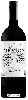
Bodega Las CepasLegado Decand
 Red wine



In the mouth this red wine is a powerful with a nice balance between acidity and tannins.
This wine generally goes well with poultry, beef or veal.

Taste structure of the Legado Decand from the Bodega Las Cepas
Light | Bold | |
Smooth | Tannic | |
Dry | Sweet | |
Soft | Acidic |
In the mouth the Legado Decand of Bodega Las Cepas in the region of Rioja is a powerful with a nice balance between acidity and tannins.
Wine flavors and olphactive analysis



On the nose the Legado Decand of Bodega Las Cepas in the region of Rioja often reveals types of flavors of oak, black fruit.
Food and wine pairings with Legado Decand
Pairings that work perfectly with Legado Decand



Original food and wine pairings with Legado Decand

The Legado Decand of Bodega Las Cepas matches generally quite well with dishes of beef, lamb or veal such as recipes of braised beef with carrots, berber giblet frying pan or casserons in the country style.
Details and technical informations about Bodega Las Cepas's Legado Decand.
Discover the grape variety: Téoulier
Supple, fruity reds with a pale colour, a light ruby robe, silky tannins and an airy palate with preserved acidity. Aromas of red fruits (cherry, raspberry) and Mediterranean spice (garrigue, thyme). Discreet Provençal profile. Preserved for its heritage value, it survives on a few heritage plots in Provence and is among the ancient varieties under study. A native French black grape from Provence and the Alpes-Maritimes.
Last vintages of this wine
The best vintages of Legado Decand from Bodega Las Cepas are 2015, 2014, 2013, 0 and 2012.
Informations about the Bodega Las Cepas
The Bodega Las Cepas is one of of the world's greatest estates. It offers 23 wines for sale in the of Rioja to come and discover on site or to buy online.

The wine region of Rioja
Star of great Spanish reds: signature Tempranillo, elegant and complex, with notes of ripe cherry, plum, leather, vanilla and tobacco from American oak ageing. Classification by age: fruity Joven, balanced Crianza, ample Reserva, deep, silky Gran Reserva (5 years, 2 in barrel). Some fresh Viura whites and generous rosés. Spain's first DOCa (1991), 3 sub-zones (Alta, Alavesa, Oriental), 93.
The word of the wine: Farm
Wine dominated by a strong acidity and/or biting tannins. In this case, the components of the wine need to melt, i.e. to harmonize during the maturation in the cellar.