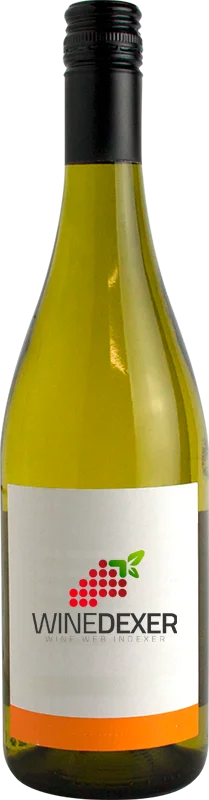
Winery Lagares do CasteloColheita Branco
 White wine


This wine generally goes well with
Details and technical informations about Winery Lagares do Castelo's Colheita Branco.
Discover the grape variety: Barbaroux
Barbaroux rosé is a grape variety that originated in France (Provence). It produces a variety of grape specially used for wine making. It is rare to find this grape to eat on our tables. This variety of grape is characterized by large bunches and large grapes. Barbaroux rosé can be found in several vineyards: Provence & Corsica, South-West, Cognac, Bordeaux, Rhone Valley, Loire Valley, Savoie & Bugey, Beaujolais.
Last vintages of this wine

The best vintages of Colheita Branco from Winery Lagares do Castelo are 2017, 0, 2018, 2019
Informations about the Winery Lagares do Castelo
The Winery Lagares do Castelo is one of of the world's greatest estates. It offers 4 wines for sale in the of Dão to come and discover on site or to buy online.

The wine region of Dão
The wine region of Dão is located in the region of Beiras of Portugal. We currently count 316 estates and châteaux in the of Dão, producing 1397 different wines in conventional, organic and biodynamic agriculture. The wines of Dão go well with generally quite well with dishes .
The wine region of Beiras
Beiras (Beira) is a traditional administrative region in the northern half of Portugal. It is also the name of the IGP, or Indicacoes Geograficas Protegidas, wine classification (formerly known as Vinho Regional) which covers the region as a whole. A wide range of wines are made in Beiras – red wines from the region are typically Rich, deeply colored wines made from Baga, Castelão, Rufete (Tinto Pinheira), Merlot, Cabernet Sauvignon, Syrah and Touriga Nacional, and are sometimes fortified to emulate their more famous Oporto cousins. Whites are most often based on Fernão Pires and Bical, the latter being a small-berried variety with the affectionate nickname Borrado das Moscaos ('fly droppings').
The word of the wine: Amylic
Aroma reminiscent of banana, candy, and sometimes nail polish, particularly present in primeur wines. The amylic taste is reminiscent of the aromas of industrial confectionery and does not reflect a great expression of terroir.