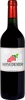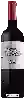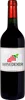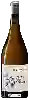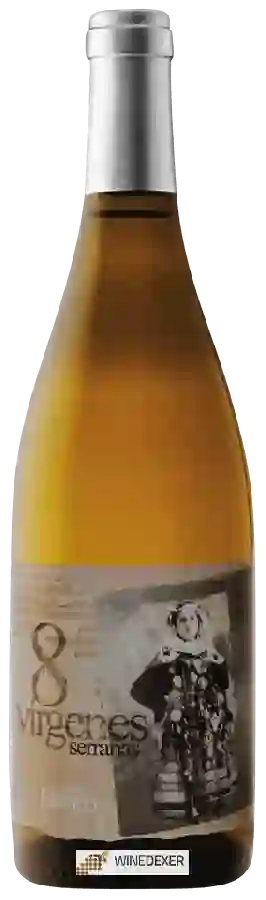
Winery La Zorra8 Virgenes Serranas Blanco
 White wine



This wine generally goes well with
The 8 Virgenes Serranas Blanco of the Winery La Zorra is in the top 20 of wines of Sierra de Salamanca.


Details and technical informations about Winery La Zorra's 8 Virgenes Serranas Blanco.
Discover the grape variety: Regent
A complex interspecific cross between the diana (sylvaner x Müller-Thurgau) and the chambourcin obtained in Germany in 1967 by Gerhardt Alleweldt. It can be found in Quebec (Canada), Belgium and Switzerland, but is little known in France. It should be noted that Regent, a monogenic variety, which is nevertheless resistant to certain cryptogamic diseases, was "bypassed" in 2010 by a less resistant strain of mildew, which was also the case for bianca.
Last vintages of this wine
The best vintages of 8 Virgenes Serranas Blanco from Winery La Zorra are 2014, 0
Informations about the Winery La Zorra
The Winery La Zorra is one of of the world's greatest estates. It offers 15 wines for sale in the of Sierra de Salamanca to come and discover on site or to buy online.

The wine region of Sierra de Salamanca
The wine region of Sierra de Salamanca is located in the region of Castille-et-Léon of Spain. Wineries and vineyards like the Domaine Cámbrico or the Domaine Cámbrico produce mainly wines red, white and pink. The most planted grape varieties in the region of Sierra de Salamanca are Tempranillo et Verdejo, they are then used in wines in blends or as a single variety. On the nose of Sierra de Salamanca often reveals types of flavors of non oak, oak or tree fruit and sometimes also flavors of spices, earth or red fruit.
The wine region of Castille-et-Léon
Located in the northern half of the Central Iberian plateau, Castilla y León is the largest of Spain's 17 administrative regions, covering about one-fifth of the country's total area. It extends about 350 kilometres (220 miles) from central Spain to the northern coast. Just as wide, it connects the Rioja wine region to the Portuguese border. Red wines reign supreme in Castilla y León, and the Tempranillo grape is undoubtedly the king.
The word of the wine: Muscat blanc à petits grains
A white grape variety cultivated since antiquity on the shores of the Mediterranean, it is considered the noblest of the muscats. It is mainly used to make sweet wines, often from mutage. In France, it is the sole variety used in many natural sweet wines: muscat-de-frontignan, muscat-de-mireval, muscat-de-lunel, muscat-de-saint-jean-de-minervois, muscat-de-beaumes-de-venise, muscat-du-cap-corse. Combined with Muscat d'Alexandrie, it gives Muscat-de-Rivesaltes. It is also used to make sparkling white wines (clairette-de-die; moscato d'asti and asti spumante in Italy) and dry wines (alsace-muscat). Powerfully aromatic and complex, its wines evoke fresh grapes, roses, exotic fruits, citrus fruits and spices.