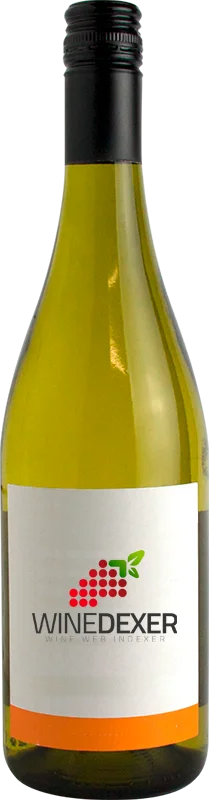
Winery La SerreSauvignon Blanc
 White wine


In the mouth this white wine is a .
This wine generally goes well with vegetarian, poultry or lean fish.

Taste structure of the Sauvignon Blanc from the Winery La Serre
Light | Bold | |
Dry | Sweet | |
Soft | Acidic |
In the mouth the Sauvignon Blanc of Winery La Serre in the region of Pays d'Oc is a .
Food and wine pairings with Sauvignon Blanc
Pairings that work perfectly with Sauvignon Blanc



Original food and wine pairings with Sauvignon Blanc


The Sauvignon Blanc of Winery La Serre matches generally quite well with dishes of pasta, vegetarian or poultry such as recipes of the corsican soup, tuna, pepper and tomato quiche or fried rice noodles with chicken.
Details and technical informations about Winery La Serre's Sauvignon Blanc.
Discover the grape variety: Rubi
Light, simple fruity reds with a lightly coloured clear ruby colour, soft tannins and an airy palate with moderate acidity, showing undemonstrative aromas of red fruits. Discreet rustic profile. Almost extinct, preserved in INRAE varietal collections for its heritage value, a witness to the pre-phylloxera ampelographic diversity of the South-West and part of the heritage varieties under study. Rare French black variety, formerly grown in the South-West.
Informations about the Winery La Serre
The Winery La Serre is one of of the world's greatest estates. It offers 7 wines for sale in the of Pays d'Oc to come and discover on site or to buy online.

The wine region of Pays d'Oc
The single-grape IGP par excellence: modern, accessible, frank and fruity wines, the popular signature of the Midi. Spicy Syrah reds (pepper, blackberry), round Merlot, structured Cabernet, generous Grenache, supple Cinsault. Crisp, tangy rosés. Opulent Chardonnay whites, lively Sauvignon, floral, apricoty Viognier.
The word of the wine: Tertiary aromas
Aromas resulting from the aging of the wine in the bottle. The aromas evolve with time, from fresh fruitiness to notes of stewed, candied or dried fruit, to aromas of venison or undergrowth.





