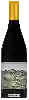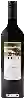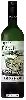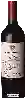
Château La RougeanteCorbieres
 Red wine



This wine generally goes well with
Wine flavors and olphactive analysis



On the nose the Corbieres of Château La Rougeante in the region of Languedoc-Roussillon often reveals types of flavors of earth, oak or red fruit and sometimes also flavors of black fruit.
Details and technical informations about Château La Rougeante's Corbieres.
Discover the grape variety: Roi des noirs
Interspecific crossing between 29 Seibel (70 jeager x Vitis Vinifera unknown) and the danugue made by Eugène Contassot, who would have given the seeds of the harvested grapes to Albert Seibel (1844-1936). The King of the Blacks has been widely cultivated, particularly in southwestern France and in the center-west, where we have found and photographed it. It was used several times as a sire by Albert Seibel, rubilande or 11803 Seibel is a good example.
Last vintages of this wine
The best vintages of Corbieres from Château La Rougeante are 2013, 2019, 2012, 2010 and 2016.
Informations about the Château La Rougeante
The Château La Rougeante is one of of the world's greatest estates. It offers 3 wines for sale in the of Corbières to come and discover on site or to buy online.

The wine region of Corbières
Corbières is an important appellation in the Languedoc-roussillon">Languedoc-Roussillon region of southern France. It is one of the best known and most productive appellations in the Languedoc. The Corbières vineyards produce large quantities of red and rosé wines, as well as a growing number of white wines. The reds are the strongest Part of the appellation; they are reputedly Rich and herbal, made from Grenache, Syrah, Mourvèdre, Lledoner Pelut and Carignan.
The wine region of Languedoc-Roussillon
Languedoc (formerly Coteaux du Languedoc) is a key appellation used in the Languedoc-Roussillon wine region of southern France. It covers Dry table wines of all three colors (red, white and rosé) from the entire region, but leaves Sweet and Sparkling wines to other more specialized appellations. About 75% of all Languedoc wines are red, with the remaining 25% split roughly down the middle between whites and rosés. The appellation covers most of the Languedoc region and almost a third of all the vineyards in France.
The word of the wine: Phenolic ripeness
A distinction is made between the ripeness of sugars and acids and the ripeness of tannins and other compounds such as anthocyanins and tannins, which will bring structure and colour. Grapes can be measured at 13° potential without having reached this phenolic maturity. Vinified at this stage, they will give hard, astringent wines, without charm.