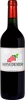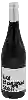
Domaine la RealtiereRazade la P'tite Couvée
 Red wine
This wine generally goes well with beef and spicy food.

Food and wine pairings with Razade la P'tite Couvée
Pairings that work perfectly with Razade la P'tite Couvée


Original food and wine pairings with Razade la P'tite Couvée
The Razade la P'tite Couvée of Domaine la Realtiere matches generally quite well with dishes of beef or spicy food such as recipes of homemade beef stew or crab matoutou.
Details and technical informations about Domaine la Realtiere's Razade la P'tite Couvée.
Discover the grape variety: Torrontés riojano
Very aromatic, perfumed dry whites with a pale golden robe, a supple palate and preserved acidity of explosive signature aromas of rose, jasmine, orange blossom, geranium, white peach, apricot, citrus and muscat notes. An exuberant floral profile. Absolute star of Argentine whites, grown on the high plateaus of Cafayate (Salta), La Rioja and Catamarca at Andean altitude. Natural Argentine cross (muscat of Alexandria × criolla chica), Andean identity signature.
Informations about the Domaine la Realtiere
The Domaine la Realtiere is one of of the world's great estates. It offers 23 wines for sale in the of Vin de France to come and discover on site or to buy online.

The wine region of Vin de France
The freest category of French wine, the playground of winemakers working outside the AOC. All styles combined: fruity reds, lively or ambitious whites, everyday rosés, unusual blends, natural wines, atypical grapes (Petit Manseng in Languedoc, Riesling in Provence), experimental winemaking (skin-contact whites, no sulphur). Grape and vintage labelling allowed, no geographic constraint. From the pop, convivial cuvée to the artisan gem: freedom in a bottle.
The word of the wine: Vintage
Year of production of a wine, it is usually indicated on the label.