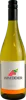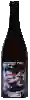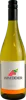
Winery La MarquiseSauvignon Blanc
 White wine



This wine generally goes well with vegetarian, rich fish (salmon, tuna etc) or shellfish.
The Sauvignon Blanc of the Winery La Marquise is in the top 20 of wines of Loire Valley.

Wine flavors and olphactive analysis

On the nose the Sauvignon Blanc of Winery La Marquise in the region of Loire Valley often reveals types of flavors of microbio, tree fruit or citrus fruit.
Food and wine pairings with Sauvignon Blanc
Pairings that work perfectly with Sauvignon Blanc



Original food and wine pairings with Sauvignon Blanc
The Sauvignon Blanc of Winery La Marquise matches generally quite well with dishes of rich fish (salmon, tuna etc), shellfish or vegetarian such as recipes of skate with capers, marmite dieppoise or leek, goat cheese and bacon quiche.
Details and technical informations about Winery La Marquise's Sauvignon Blanc.
Discover the grape variety: Completer
Structured, aromatic dry whites with a pale golden hue, ample body and sharp acidity; signature aromas of almond, honey, white flowers (acacia), white-fleshed fruits (pear) and alpine mineral notes. Fine ageing potential. Star of the Bündner Herrschaft region around Malans, one of Switzerland's most precious and ancient heritage grapes. Native Swiss white grape from the canton of Graubünden, extremely rare.
Last vintages of this wine
The best vintages of Sauvignon Blanc from Winery La Marquise are 2017, 2016, 2013
Informations about the Winery La Marquise
The Winery La Marquise is one of of the world's greatest estates. It offers 2 wines for sale in the of Loire Valley to come and discover on site or to buy online.

The wine region of Loire Valley
Kingdom of lively, dry whites and fine sparklers. Mineral, taut Sauvignon Blanc (Sancerre, Pouilly-Fumé) with citrus and gunflint notes. Multiform Chenin Blanc (Vouvray, Savennières, Layon): straight dry, floral off-dry or noble sweet honey-quince. Saline, iodised Muscadet (Melon B.
The word of the wine: Rafle (taste of)
A taste considered a defect, characterized by an unpleasant astringency and bitterness, brought by the stalk during the vinification process. In order to avoid it, destemming before vinification is a common practice.