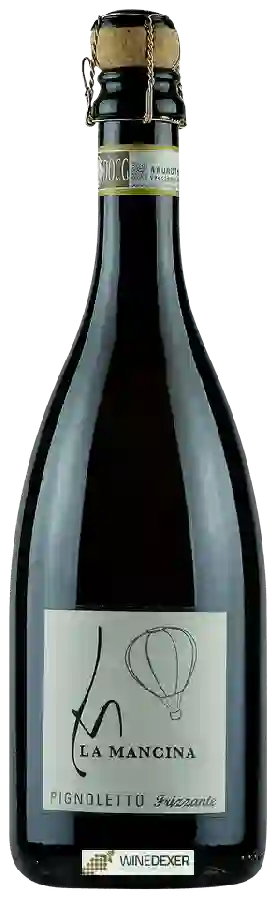
Winery La MancinaPignoletto
 Sparkling wine



This wine generally goes well with

Wine flavors and olphactive analysis

On the nose the Pignoletto of Winery La Mancina in the region of Emilia-Romagna often reveals types of flavors of tropical fruit.
Details and technical informations about Winery La Mancina's Pignoletto.
Discover the grape variety: Viosinho
Structured, aromatic dry whites with a pale golden colour, an ample palate and preserved acidity, showing refined aromas of citrus (lemon, orange), white flowers (acacia, orange blossom), yellow fruits (pear, peach, apricot) and schistous mineral notes. Fine ageing and cellaring potential. An essential component of the great whites of Douro DOC and white Port. Indigenous Portuguese variety of the Douro and Trás-os-Montes, signature of north-eastern Portugal.
Last vintages of this wine
The best vintages of Pignoletto from Winery La Mancina are 2014, 2015, 2017, 2016 and 0.
Informations about the Winery La Mancina
The Winery La Mancina is one of of the world's greatest estates. It offers 12 wines for sale in the of Colli Bolognesi to come and discover on site or to buy online.

The wine region of Colli Bolognesi
Emilia-Romagna DOC on the hills south and west of Bologna. Signature native Pignoletto white: lively and floral with hallmark notes of green apple, citrus, white flowers, fresh herbs and an almond touch, taut and refreshing palate — often frizzante sparkling, the Bolognese aperitif. Also zesty Sauvignon, ample Chardonnay. Reds: juicy Barbera (cherry, plum), firm Cabernet, supple Merlot, accessible Sangiovese.
The wine region of Emilia-Romagna
Kingdom of Lambrusco: fresh, fruity sparkling reds (blackberry, cherry, violet), from gourmet dry to convivial off-dry, perfect with local charcuterie. World's best-selling sparkling wine on the Emilia side (Sorbara, Grasparossa, Salamino). East, Romagna: supple fruity Sangiovese, Albana (Italy's 1st white DOCG, 1987) ample and almondy. Also red Gutturnio and white Pignoletto.
The word of the wine: Pinot meunier
Cultivated in the 19th century in all the northern vineyards, this black grape variety has largely regressed since. Very present in the Marne valley, it constitutes a third of the vineyards in Champagne, alongside pinot noir and chardonnay with which it is often blended. It brings roundness and red and yellow fruit aromas to champagnes. Pinot meunier is also the dominant grape variety in red and rosé wines in the Orleans AOC and the rare Touraine-Noble-Joué, a grey wine. Syn.: meunier.