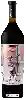
Château La LagunaSiren Marselan
 Red wine
In the mouth this red wine is a powerful with a nice balance between acidity and tannins.
This wine generally goes well with poultry, beef or veal.

Taste structure of the Siren Marselan from the Château La Laguna
Light | Bold | |
Smooth | Tannic | |
Dry | Sweet | |
Soft | Acidic |
In the mouth the Siren Marselan of Château La Laguna in the region of Bordeaux is a powerful with a nice balance between acidity and tannins.
Food and wine pairings with Siren Marselan
Pairings that work perfectly with Siren Marselan



Original food and wine pairings with Siren Marselan

The Siren Marselan of Château La Laguna matches generally quite well with dishes of beef, veal or game (deer, venison) such as recipes of beef with cider, flights in the wind à la provençale or rabbit with mustard and tomatoes.
Details and technical informations about Château La Laguna's Siren Marselan.
Discover the grape variety: Marselan
Supple, fruity reds with a deep robe and melted tannins, featuring aromas of blackcurrant, blackberry, plum, violet, soft spices and garrigue notes. Good consistency and short-to-medium ageing capacity. Made in blends and as a single variety in Languedoc-Roussillon (IGP Pays d'Oc) and exported massively to China where it has become an emblematic quality signature. Also in Brazil and Argentina. A Cabernet Sauvignon × Grenache cross created in 1961 by Paul Truel in Montpellier.
Informations about the Château La Laguna
The Château La Laguna is one of of the world's greatest estates. It offers 3 wines for sale in the of Bordeaux to come and discover on site or to buy online.

The wine region of Bordeaux
World-renowned age-worthy reds, led by round Merlot (plum, black fruit) or firm Cabernet Sauvignon (blackcurrant, cedar, graphite), blended with Cabernet Franc and Petit Verdot for tannic structure. Structured Médoc and Graves, velvety Saint-Émilion and Pomerol. Also crisp dry whites (Sauvignon/Sémillon) and opulent sweet Sauternes with honey and candied fruit. A 110,000 ha Gironde vineyard, 65 appellations, cradle of the 1855 classified growths.
The word of the wine: Noble rot
A fungus called botrytis cinerea that develops during the over-ripening phase, an ally of great sweet white wines, when it concentrates the juice of the berries. It requires the humidity of morning fogs and beautiful sunny days, gives musts very rich in sugar and brings to the wines the famous taste of "roasted".