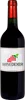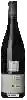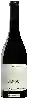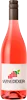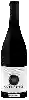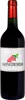
Winery La Fleur MargotCôtes de Bourg
 Red wine
In the mouth this red wine is a powerful with a nice balance between acidity and tannins.
This wine generally goes well with poultry, beef or veal.

Taste structure of the Côtes de Bourg from the Winery La Fleur Margot
Light | Bold | |
Smooth | Tannic | |
Dry | Sweet | |
Soft | Acidic |
In the mouth the Côtes de Bourg of Winery La Fleur Margot in the region of Rhone Valley is a powerful with a nice balance between acidity and tannins.
Food and wine pairings with Côtes de Bourg
Pairings that work perfectly with Côtes de Bourg



Original food and wine pairings with Côtes de Bourg

The Côtes de Bourg of Winery La Fleur Margot matches generally quite well with dishes of beef, veal or game (deer, venison) such as recipes of beef bourguignon with cookéo, milanese cutlets like in italy or rabbit socks in gibelotte.
Details and technical informations about Winery La Fleur Margot's Côtes de Bourg.
Discover the grape variety: Italia Rubi
Table grape with long bunches and elongated red-violet berries, thin skin and muscat-flavoured flesh, sweet and aromatic taste. Rarely vinified. Grown for fresh consumption in Italy, Spain, the Maghreb and South America, appreciated for its attractive appearance and muscat flavour in mass retail. Italian black table grape variety, a red-violet skin mutation of the Italia grape.
Informations about the Winery La Fleur Margot
The Winery La Fleur Margot is one of of the world's greatest estates. It offers 3 wines for sale in the of Luberon to come and discover on site or to buy online.

The wine region of Luberon
Southern Rhône cru on the foothills of the Provençal massif: signature Grenache, Syrah and Mourvèdre as fruity reds with notes of cherry, raspberry, blackberry, garrigue (thyme, rosemary) and a spice touch, supple tannins and a fresh finish from altitude. Signature moreish rosés (strawberry, raspberry, citrus). Vermentino, Grenache Blanc and Clairette as ample, floral whites. AOC (1988), ~3,250 ha in the Vaucluse, altitude 200-450 m, varied limestone soils.
The wine region of Rhone Valley
France's 2nd-largest AOC vineyard, two complementary worlds. Northern: pure Syrah in signature reds (Côte-Rôtie, Hermitage, Cornas), deep and peppery with blackberry, violet, black olive and smoked bacon notes, exceptional ageing. Opulent Viognier whites (Condrieu, apricot, flowers) and ample Marsanne-Roussanne. Southern: sun-soaked Grenache blends at Châteauneuf, Gigondas, Vacqueyras (candied fruit, garrigue).
The word of the wine: Muscat blanc à petits grains
A white grape variety cultivated since antiquity on the shores of the Mediterranean, it is considered the noblest of the muscats. It is mainly used to make sweet wines, often from mutage. In France, it is the sole variety used in many natural sweet wines: muscat-de-frontignan, muscat-de-mireval, muscat-de-lunel, muscat-de-saint-jean-de-minervois, muscat-de-beaumes-de-venise, muscat-du-cap-corse. Combined with Muscat d'Alexandrie, it gives Muscat-de-Rivesaltes. It is also used to make sparkling white wines (clairette-de-die; moscato d'asti and asti spumante in Italy) and dry wines (alsace-muscat). Powerfully aromatic and complex, its wines evoke fresh grapes, roses, exotic fruits, citrus fruits and spices.