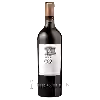
Domaine de la BaumeSyrah Rosé
 Pink wine



In the mouth this pink wine is a with a nice freshness.
This wine generally goes well with vegetarian, appetizers and snacks or lean fish.

Taste structure of the Syrah Rosé from the Domaine de la Baume
Light | Bold | |
Dry | Sweet | |
Soft | Acidic |
In the mouth the Syrah Rosé of Domaine de la Baume in the region of Pays d'Oc is a with a nice freshness.
Food and wine pairings with Syrah Rosé
Pairings that work perfectly with Syrah Rosé



Original food and wine pairings with Syrah Rosé


The Syrah Rosé of Domaine de la Baume matches generally quite well with dishes of pasta, vegetarian or appetizers and snacks such as recipes of tagliatelle with seafood and saffron cream, quiche with bacon and gruyère cheese or emulsion of foie gras with pata negra.
Details and technical informations about Domaine de la Baume's Syrah Rosé.
Discover the grape variety: Raisaine
Simple, fresh dry whites with a pale golden robe, a supple palate and preserved acidity, with understated aromas of white flowers, citrus (lemon) and herbal notes. A rustic profile now almost absent from commercial viticulture. Preserved in INRAE varietal collections, it bears witness to the pre-phylloxera ampelographic diversity of the South-West. Rare French white grape, once grown in the South-West and studied for its heritage value.
Last vintages of this wine
The best vintages of Syrah Rosé from Domaine de la Baume are 2014, 2013, 2012
Informations about the Domaine de la Baume
The Domaine de la Baume is one of of the world's great estates. It offers 96 wines for sale in the of Pays d'Oc to come and discover on site or to buy online.

The wine region of Pays d'Oc
The single-grape IGP par excellence: modern, accessible, frank and fruity wines, the popular signature of the Midi. Spicy Syrah reds (pepper, blackberry), round Merlot, structured Cabernet, generous Grenache, supple Cinsault. Crisp, tangy rosés. Opulent Chardonnay whites, lively Sauvignon, floral, apricoty Viognier.
The word of the wine: Sulphating
Treatment, formerly practiced with copper sulfate, applied to the vine to prevent cryptogamic diseases.