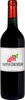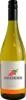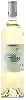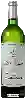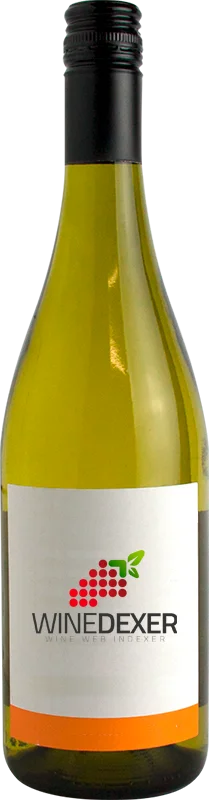
Winery L'Allée des FrênesBordeaux Blanc
 White wine



In the mouth this white wine is a powerful.
This wine generally goes well with pork, vegetarian or poultry.

Taste structure of the Bordeaux Blanc from the Winery L'Allée des Frênes
Light | Bold | |
Dry | Sweet | |
Soft | Acidic |
In the mouth the Bordeaux Blanc of Winery L'Allée des Frênes in the region of Bordeaux is a powerful.
Wine flavors and olphactive analysis

Food and wine pairings with Bordeaux Blanc
Pairings that work perfectly with Bordeaux Blanc



Original food and wine pairings with Bordeaux Blanc


The Bordeaux Blanc of Winery L'Allée des Frênes matches generally quite well with dishes of pork, vegetarian or poultry such as recipes of sauté of pork with cider, quiche with bacon and gruyère cheese or chicken nuggets.
Details and technical informations about Winery L'Allée des Frênes's Bordeaux Blanc.
Discover the grape variety: Verdesse
Crisp, aromatic dry whites with a pale golden colour, a slender palate and preserved acidity, showing delicate aromas of citrus (lemon), white flowers (acacia, hawthorn), white fruits (apple, pear) and alpine mineral notes. A crystalline mountain character. Very rare, preserved by a handful of Dauphiné growers for its heritage value, in confidential high-altitude cuvées. Indigenous French variety of Isère and the Dauphiné, a witness to ancient Alpine grape varieties.
Last vintages of this wine
The best vintages of Bordeaux Blanc from Winery L'Allée des Frênes are 2018
Informations about the Winery L'Allée des Frênes
The Winery L'Allée des Frênes is one of of the world's greatest estates. It offers 4 wines for sale in the of Bordeaux to come and discover on site or to buy online.

The wine region of Bordeaux
World-renowned age-worthy reds, led by round Merlot (plum, black fruit) or firm Cabernet Sauvignon (blackcurrant, cedar, graphite), blended with Cabernet Franc and Petit Verdot for tannic structure. Structured Médoc and Graves, velvety Saint-Émilion and Pomerol. Also crisp dry whites (Sauvignon/Sémillon) and opulent sweet Sauternes with honey and candied fruit. A 110,000 ha Gironde vineyard, 65 appellations, cradle of the 1855 classified growths.
The word of the wine: Chaptalization
The addition of sugar at the time of fermentation of the must, an ancient practice, but theorized by Jean-Antoine Chaptal at the dawn of the 19th century. The sugar is transformed into alcohol and allows the natural degree of the wine to be raised in a weak or cold year, or - more questionably - when the winegrower has a harvest that is too large to obtain good maturity.