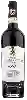
Winery L'AccianoChanti Classico
 Red wine


This wine generally goes well with
Details and technical informations about Winery L'Acciano's Chanti Classico.
Discover the grape variety: Ohanès
This variety is known in Spain, Portugal, Italy, Greece, Morocco, South Africa, the United States (California), Argentina, Chile, etc. In France, it is little cultivated because of its late maturity. - Synonyms: oanez or ohanez, uva de Almeria, uva del barco, santa paula, not to be confused with the white gherkin, khaen, grumer negro, valenci or valensi, which is not related to the black valensi (for all the synonyms of the grape varieties, click here!)
Last vintages of this wine
The best vintages of Chanti Classico from Winery L'Acciano are 0, 2015
Informations about the Winery L'Acciano
The Winery L'Acciano is one of of the world's greatest estates. It offers 8 wines for sale in the of Chianti Classico to come and discover on site or to buy online.

The wine region of Chianti Classico
The wine region of Chianti Classico is located in the region of Chianti of Toscane of Italy. Wineries and vineyards like the Domaine Castello di Ama or the Domaine Bindi Sergardi produce mainly wines red and sweet. The most planted grape varieties in the region of Chianti Classico are Sangiovese, Merlot and Cabernet-Sauvignon, they are then used in wines in blends or as a single variety. On the nose of Chianti Classico often reveals types of flavors of cherry, black fruit or raspberry and sometimes also flavors of violet, forest floor or blueberry.
The wine region of Tuscany
Tuscany is one of the most famous and prolific wine regions in Europe. It is best known for its Dry red wines made from Sangiovese grapes, which dominate production. These include Chianti, Brunello di Montalcino and Vino Nobile di Montepulciano. The region's Vin Santo is also highly prized, as are its passito dessert wines, though these are produced in comparatively tiny quantities.
The word of the wine: Aging
Period during which a wine is kept in a cellar where it goes through different phases of evolution of its aromatic range and a maturation of its constituents (evolution of the colour, refining of the tannins, harmonization of the different flavours, etc.). The wine evolves better and less quickly in large containers, whereas it deteriorates prematurely in half-bottles.