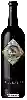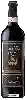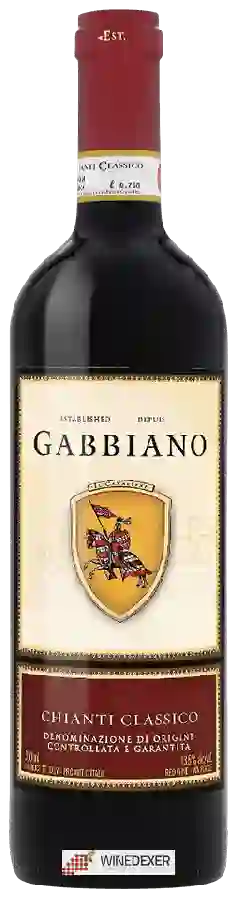
Winery Castello di GabbianoChianti Classico
 Red wine



This wine is composed of 100% of the grape variety Sangiovese.
In the mouth this red wine is a powerful with a nice balance between acidity and tannins.
This wine generally goes well with poultry, beef or veal.

Taste structure of the Chianti Classico from the Winery Castello di Gabbiano
Light | Bold | |
Smooth | Tannic | |
Dry | Sweet | |
Soft | Acidic |
In the mouth the Chianti Classico of Winery Castello di Gabbiano in the region of Tuscany is a powerful with a nice balance between acidity and tannins.
Wine flavors and olphactive analysis






On the nose the Chianti Classico of Winery Castello di Gabbiano in the region of Tuscany often reveals types of flavors of cream, cherry or oaky and sometimes also flavors of citrus, smoke or apples.
Food and wine pairings with Chianti Classico
Pairings that work perfectly with Chianti Classico



Original food and wine pairings with Chianti Classico
The Chianti Classico of Winery Castello di Gabbiano matches generally quite well with dishes of beef, veal or poultry such as recipes of fondue vigneronne au vin rouge, veal escalope with lemon sauce or chicken curry and onions.
Details and technical informations about Winery Castello di Gabbiano's Chianti Classico.
Discover the grape variety: Sangiovese
Firm, upright reds with precise acidity and angular tannins, showing aromas of sour cherry, plum, dried herbs, leather, black tea and balsamic notes. Characteristically bitter, savoury finish. Star of Chianti Classico DOCG, Brunello di Montalcino DOCG, Vino Nobile di Montepulciano DOCG and Morellino di Scansano. Italy's most planted variety, a descendant of Ciliegiolo × Calabrese di Montenuovo.
Last vintages of this wine
The best vintages of Chianti Classico from Winery Castello di Gabbiano are 2017, 2015, 2008, 2016 and 2013.
Informations about the Winery Castello di Gabbiano
The Winery Castello di Gabbiano is one of of the world's greatest estates. It offers 41 wines for sale in the of Chianti Classico to come and discover on site or to buy online.

The wine region of Chianti Classico
Historic heart of Tuscan Chianti: signature Sangiovese as red king (≥80%) — ruby with garnet glints, elegant and complex with notes of ripe cherry, raspberry, plum, violet, leather and a balsamic touch with ageing, silky tannins and a saline mineral finish. Canaiolo, Colorino or Cabernet/Merlot possible as complements. Riserva and Gran Selezione at the summit. DOCG between Florence and Siena, galestro and alberese soils, continental climate — racy, age-worthy wines.
The wine region of Tuscany
Kingdom of Sangiovese: upright reds with cherry, plum, dried herbs and leather, lively acidity and firm tannins. Fleshy, food-friendly Chianti Classico DOCG, deep long-ageing Brunello di Montalcino (spice, tobacco, ripe black fruit), elegant Vino Nobile di Montepulciano. On the coast, Bolgheri crafts the opulent Cabernet- and Merlot-based 'Super Tuscans'. Some fresh white Vernaccia.
The word of the wine: Muscat blanc à petits grains
A white grape variety cultivated since antiquity on the shores of the Mediterranean, it is considered the noblest of the muscats. It is mainly used to make sweet wines, often from mutage. In France, it is the sole variety used in many natural sweet wines: muscat-de-frontignan, muscat-de-mireval, muscat-de-lunel, muscat-de-saint-jean-de-minervois, muscat-de-beaumes-de-venise, muscat-du-cap-corse. Combined with Muscat d'Alexandrie, it gives Muscat-de-Rivesaltes. It is also used to make sparkling white wines (clairette-de-die; moscato d'asti and asti spumante in Italy) and dry wines (alsace-muscat). Powerfully aromatic and complex, its wines evoke fresh grapes, roses, exotic fruits, citrus fruits and spices.