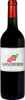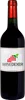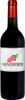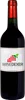
Winery Кубанский ВиноделИзабелла (Isabella)
 Red wine
This wine generally goes well with poultry, beef or game (deer, venison).
The Изабелла (Isabella) of the Winery Кубанский Винодел is in the top 90 of wines of Krasnodar.
Food and wine pairings with Изабелла (Isabella)
Pairings that work perfectly with Изабелла (Isabella)



Original food and wine pairings with Изабелла (Isabella)


The Изабелла (Isabella) of Winery Кубанский Винодел matches generally quite well with dishes of beef, lamb or game (deer, venison) such as recipes of roasted fillet of beef with parsley, lamb chops marinated with herbs or duck breast with spices, roasted figs with honey and port.
Details and technical informations about Winery Кубанский Винодел's Изабелла (Isabella).
Discover the grape variety: Bogazkere
A very old indigenous grape variety grown in Turkey (Anatolia, etc.), most often at high altitudes. Virtually unknown in France and in almost all other wine-producing countries, although attempts have been made in Australia. It is thought to be related to the morek, another Turkish variety.
Informations about the Winery Кубанский Винодел
The Winery Кубанский Винодел is one of of the world's greatest estates. It offers 5 wines for sale in the of Krasnodar to come and discover on site or to buy online.

The wine region of Krasnodar
The wine region of Krasnodar of Russia. Wineries and vineyards like the Gunko Winery or the Gunko Winery produce mainly wines red, white and sparkling. The most planted grape varieties in the region of Krasnodar are Chardonnay, Cabernet-Sauvignon and Merlot, they are then used in wines in blends or as a single variety. On the nose of Krasnodar often reveals types of flavors of spices, red fruit or black fruit and sometimes also flavors of non oak, oak or vegetal.
The word of the wine: Deposit
Solid particles that can naturally coat the bottom of a bottle of wine. It is rather a guarantee that the wine has not been mistreated: in fact, to avoid the natural deposit, rather violent processes of filtration or cold passage (- 7 or - 8 °C) are used in order to precipitate the tartar (the small white crystals that some people confuse with crystallized sugar: just taste to dissuade you from it)