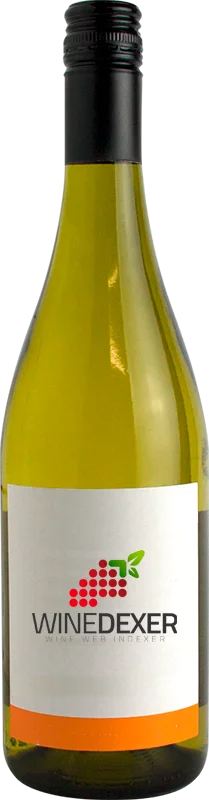
Winery KovacsTradiční Sauvignon Pozdní Sběr
 White wine



This wine generally goes well with vegetarian, rich fish (salmon, tuna etc) or shellfish.
Food and wine pairings with Tradiční Sauvignon Pozdní Sběr
Pairings that work perfectly with Tradiční Sauvignon Pozdní Sběr



Original food and wine pairings with Tradiční Sauvignon Pozdní Sběr
The Tradiční Sauvignon Pozdní Sběr of Winery Kovacs matches generally quite well with dishes of rich fish (salmon, tuna etc), shellfish or vegetarian such as recipes of irish tartiflette, american style lobster tails, great chef style or broccoli and blue cheese quiche without pastry.
Details and technical informations about Winery Kovacs's Tradiční Sauvignon Pozdní Sběr.
Discover the grape variety: Danuta
A cross obtained in 1964 between the Beirut date palm and the 75 Pirovano or sultana moscata. In 1990, Danuta was registered in the Official Catalogue of table grape varieties, list A1.
Last vintages of this wine
The best vintages of Tradiční Sauvignon Pozdní Sběr from Winery Kovacs are 0
Informations about the Winery Kovacs
The Winery Kovacs is one of of the world's great estates. It offers 33 wines for sale in the of Morava to come and discover on site or to buy online.

The wine region of Morava
Moravia, with roughly 95 percent of the nation's Vine plantings, is the engine room of the Czech Republic's wine industry. The Center of intensively farmed bulk-wine production is also showing great promise as a producer of quality white wines. This is largely thanks to its cool Climate, comparable in many ways to that in Nahe or Pfalz, the white-wine specialists a few hundred miles west in Germany. Moravian winelands enjoy a Vineyard year well suited to the production of Complex aromatics with good Acidity.
The word of the wine: Sulphiting
Introduction of a sulphurous solution into a must or wine to protect it from accidents or diseases, or to select the ferments.