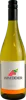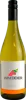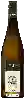
Winery KolleritschTau Verwurzelt In Tieschen
 Red wine



This wine generally goes well with
Details and technical informations about Winery Kolleritsch's Tau Verwurzelt In Tieschen.
Discover the grape variety: Raisaine
Most certainly Ardéchoise, formerly cultivated in the region of Privas, Aubenas, Joyeuse and Largentière. It is the result of a natural intra-specific crossing between the black ribier and the red grec. Today, Raisaine is totally absent from the vineyards and is therefore in danger of disappearing, although it is listed in the Official Catalogue of Wine Grapes, list A.
Last vintages of this wine
The best vintages of Tau Verwurzelt In Tieschen from Winery Kolleritsch are 0
Informations about the Winery Kolleritsch
The Winery Kolleritsch is one of of the world's greatest estates. It offers 1 wines for sale in the of Kamptal to come and discover on site or to buy online.

The wine region of Kamptal
The wine region of Kamptal is located in the region of Niederösterreich of Weinland of Austria. We currently count 138 estates and châteaux in the of Kamptal, producing 976 different wines in conventional, organic and biodynamic agriculture. The wines of Kamptal go well with generally quite well with dishes .
The wine region of Weinland
Weinviertel DAC – whose name translates as "wine quarter" – is an appellation in Niederösterreich (Lower Austria). It is by far the largest Districtus Austriae Controllatus wine region in Austria. It was also the first Austrian wine region to be given that title, in 2002, with a DAC Reserve designation added in 2009. The designation applies only to white wines from the Grüner Veltliner Grape variety.
The word of the wine: Flavours (families of)
Aromas are classified into categories called families of aromas: fruity, floral, fermentative, vegetal, woody, balsamic, spicy, mineral, empyreumatic, animal.