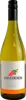
Winery Klosterkellerei JakobsbergBlauer Spätburgunder Feinherb
 Red wine
In the mouth this red wine is a with a nice freshness.
This wine generally goes well with poultry, beef or veal.

Taste structure of the Blauer Spätburgunder Feinherb from the Winery Klosterkellerei Jakobsberg
Light | Bold | |
Smooth | Tannic | |
Dry | Sweet | |
Soft | Acidic |
In the mouth the Blauer Spätburgunder Feinherb of Winery Klosterkellerei Jakobsberg in the region of Nahe is a with a nice freshness.
Food and wine pairings with Blauer Spätburgunder Feinherb
Pairings that work perfectly with Blauer Spätburgunder Feinherb



Original food and wine pairings with Blauer Spätburgunder Feinherb

The Blauer Spätburgunder Feinherb of Winery Klosterkellerei Jakobsberg matches generally quite well with dishes of beef, veal or game (deer, venison) such as recipes of monkfish armorican style, sarthe pot or rabbit and mushroom gibelotte.
Details and technical informations about Winery Klosterkellerei Jakobsberg's Blauer Spätburgunder Feinherb.
Discover the grape variety: Ravat 34
Simple, dry and fresh whites with a pale golden robe, supple palate and moderate acidity; undemanding aromas of citrus and white flowers. Productive and disease-resistant. Grown in small quantities in France and Canada (Quebec) for vineyards with harsh continental climates. French white hybrid bred by Jean-François Ravat in the early 20th century, part of the historic post-phylloxera French hybridisations.
Informations about the Winery Klosterkellerei Jakobsberg
The Winery Klosterkellerei Jakobsberg is one of of the world's great estates. It offers 23 wines for sale in the of Nahe to come and discover on site or to buy online.

The wine region of Nahe
Homeland of a mineral Riesling of exceptional geological expression: lively, precise whites with notes of peach, citrus, green apple, gunflint and fine salinity, from taut dry to botrytised sweet. 75% whites, Riesling king (27%) complemented by round Pinot Gris and supple Pinot Blanc. Rising reds: silky Spätburgunder with red fruit, darker Dornfelder. 4,240 ha along the Nahe river, among the most diverse soils in Germany (180 formations).
The word of the wine: Vatting
After five to eight days of alcoholic fermentation, it is possible to prolong the maceration in order to extract the maximum amount of matter from the marc. The wines obtained in this way are rich and full-bodied, and in principle are intended for laying down.