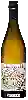
Winery Klaus MeyerRhodt Unter Rietburg Grauburgunder Trocken
 White wine



In the mouth this white wine is a .
This wine generally goes well with pork, cured meat or mushrooms.

Taste structure of the Rhodt Unter Rietburg Grauburgunder Trocken from the Winery Klaus Meyer
Light | Bold | |
Dry | Sweet | |
Soft | Acidic |
In the mouth the Rhodt Unter Rietburg Grauburgunder Trocken of Winery Klaus Meyer in the region of Pfalz is a .
Food and wine pairings with Rhodt Unter Rietburg Grauburgunder Trocken
Pairings that work perfectly with Rhodt Unter Rietburg Grauburgunder Trocken


Original food and wine pairings with Rhodt Unter Rietburg Grauburgunder Trocken

The Rhodt Unter Rietburg Grauburgunder Trocken of Winery Klaus Meyer matches generally quite well with dishes of pork, spicy food or mushrooms such as recipes of rabbit with cider and mushrooms, baked sea bream or normandy style escalope.
Details and technical informations about Winery Klaus Meyer's Rhodt Unter Rietburg Grauburgunder Trocken.
Discover the grape variety: Mollard
Light, fruity reds with a clear ruby color, supple tannins and an airy palate, offering delicate aromas of red fruits (raspberry, cherry, strawberry), alpine spices, mountain herbs and floral notes. A high-altitude airy profile. Very rare variety, preserved by a few artisan winemakers for its heritage value, in confidential altitude cuvées. Grown in IGP Hautes-Alpes around Embrun. French indigenous variety from the Hautes-Alpes, an alpine signature.
Last vintages of this wine
The best vintages of Rhodt Unter Rietburg Grauburgunder Trocken from Winery Klaus Meyer are 0
Informations about the Winery Klaus Meyer
The Winery Klaus Meyer is one of of the world's great estates. It offers 52 wines for sale in the of Pfalz to come and discover on site or to buy online.

The wine region of Pfalz
Fleshy, dry, fruity Riesling is the region's signature: yellow peach, apricot, ripe citrus, lovely mineral tension. Germany's largest red-wine area (40%), with silky Spätburgunder showing red fruit and spice, darker structured Dornfelder, supple Portugieser. Some rounded Pinot Blanc and Pinot Gris. A 23,640 ha vineyard along the Haardt, among Germany's warmest (>2,000 h of sun).
The word of the wine: Green
Said of a wine that is too acidic or marked by unpleasant vegetal tastes.