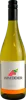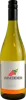
Winery Klaus LanghoffDie Blaue Lagune Weisswein Lieblich
 wine
wine
This wine generally goes well with
The Die Blaue Lagune Weisswein Lieblich of the Winery Klaus Langhoff is in the top 0 of wines of Rheinhessen.
Details and technical informations about Winery Klaus Langhoff's Die Blaue Lagune Weisswein Lieblich.
Discover the grape variety: Ferradou
Ferradou noir is a grape variety that originated in . It produces a variety of grape specially used for wine making. It is rare to find this grape to eat on our tables. Ferradou noir can be found in the vineyards of the South West.
Informations about the Winery Klaus Langhoff
The Winery Klaus Langhoff is one of of the world's greatest estates. It offers 10 wines for sale in the of Rheinhessen to come and discover on site or to buy online.

The wine region of Rheinhessen
Rheinhessen is Germany's largest region for producing the quality wines of the Qualitätswein bestimmter Anbaugebiete (QbA) and Prädikatswein designations, with roughly 26,500 hectares (65,000 acres) of Vineyard">Vineyards as of 2014. Many of its most significant viticultural areas are favorably influenced by the Rhine river, which runs aLong its North and eastern borders. The Rhine, along with the Nahe river to the west and the Haardt mountains to its South, form a natural border. Rheinhessen covers an area south of Rheingau, north of Pfalz and east of Nahe, and is located within the Rhineland-Palatinate federal state.
The word of the wine: Bordeaux futures
Bordeaux wines are expected 2 to 3 years before bottling. In the spring following the harvest, the wines are offered by the châteaux to the Bordeaux wine merchants via the brokers.