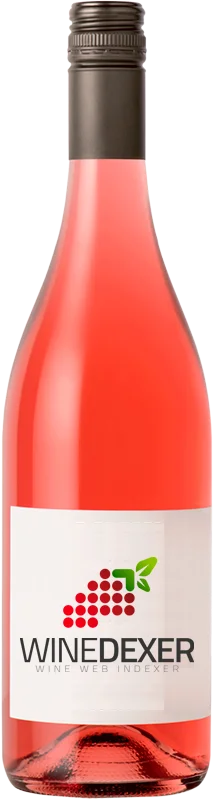
Winery Kiss PincészetRozé
 Pink wine



This wine generally goes well with beef and game (deer, venison).
Food and wine pairings with Rozé
Pairings that work perfectly with Rozé


Original food and wine pairings with Rozé
The Rozé of Winery Kiss Pincészet matches generally quite well with dishes of beef or game (deer, venison) such as recipes of beef tongue with mushrooms or rabbit marinated with herbs and mustard.
Details and technical informations about Winery Kiss Pincészet's Rozé.
Discover the grape variety: Merlot
Merlot noir is a grape variety that originated in France (Bordeaux). It produces a variety of grape specially used for wine making. It is rare to find this grape to eat on our tables. This variety of grape is characterized by small to medium sized bunches, and medium sized grapes. Merlot noir can be found in many vineyards: South West, Languedoc & Roussillon, Cognac, Bordeaux, Loire Valley, Armagnac, Burgundy, Jura, Champagne, Rhone Valley, Beaujolais, Provence & Corsica, Savoie & Bugey.
Last vintages of this wine
The best vintages of Rozé from Winery Kiss Pincészet are 0
Informations about the Winery Kiss Pincészet
The Winery Kiss Pincészet is one of of the world's greatest estates. It offers 21 wines for sale in the of Eger to come and discover on site or to buy online.

The wine region of Eger
Eger, in northeastern Hungary, is a wine region best known for its Egri Bikavér wine, popularly known as "Bull's Blood". Although Sweet, white Tokaji remains unrivaled as Hungary's most famous wine overall, Bikavér (Bull's Blood) is surely the country's most famous red. The style – a Complex blend of several dark-skinned grapes – was first made in the late 19th Century, in Szekszard (200 kilometers/130 miles southwest of Eger). It rose to international fame in the 1970s, when the state-owned Egervin winery monopolized production of the style, and successfully promoted it on export markets.
The word of the wine: Foaming
Name given to the second alcoholic fermentation that sparkling wines undergo. It gives rise to a release of carbon dioxide in the bottle.