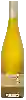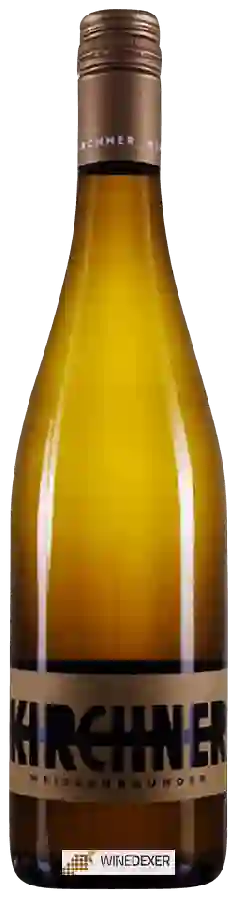
Winery KirchnerWeissburgunder
 White wine



In the mouth this white wine is a with a nice freshness.
This wine generally goes well with rich fish (salmon, tuna etc), shellfish or mild and soft cheese.

Taste structure of the Weissburgunder from the Winery Kirchner
Light | Bold | |
Dry | Sweet | |
Soft | Acidic |
In the mouth the Weissburgunder of Winery Kirchner in the region of Pfalz is a with a nice freshness.
Food and wine pairings with Weissburgunder
Pairings that work perfectly with Weissburgunder



Original food and wine pairings with Weissburgunder

The Weissburgunder of Winery Kirchner matches generally quite well with dishes of rich fish (salmon, tuna etc), shellfish or mild and soft cheese such as recipes of salmon with spinach and cream, squid with garlic and parsley or honey chicken salad.
Details and technical informations about Winery Kirchner's Weissburgunder.
Discover the grape variety: Foglia tonda
Structured, elegant reds with a deep ruby hue, firm tannins and a dense palate, with aromas of red fruits (cherry, raspberry), black fruits (blackberry, plum), soft spices and floral notes. Balanced, remarkably fine. Nearly extinct, rediscovered and grown by a handful of Tuscan artisan winemakers for identity wines. Native Italian Tuscan variety whose name evokes the rounded shape of its leaves.
Last vintages of this wine
The best vintages of Weissburgunder from Winery Kirchner are 2016, 2015, 0, 2014
Informations about the Winery Kirchner
The Winery Kirchner is one of of the world's greatest estates. It offers 49 wines for sale in the of Pfalz to come and discover on site or to buy online.

The wine region of Pfalz
Fleshy, dry, fruity Riesling is the region's signature: yellow peach, apricot, ripe citrus, lovely mineral tension. Germany's largest red-wine area (40%), with silky Spätburgunder showing red fruit and spice, darker structured Dornfelder, supple Portugieser. Some rounded Pinot Blanc and Pinot Gris. A 23,640 ha vineyard along the Haardt, among Germany's warmest (>2,000 h of sun).
The word of the wine: Removal of shoes
In the spring, this operation consists of removing the mound of earth formed at the foot of the vines by ploughing between the rows in the autumn.