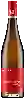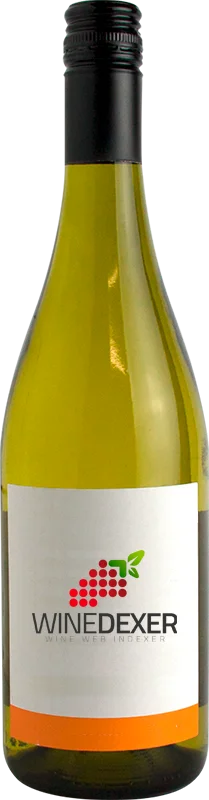
Winery KieferEichstetten am Kaiserstuhl Grauburgunder Trocken
 White wine



In the mouth this white wine is a .
This wine generally goes well with pork, cured meat or mushrooms.
Taste structure of the Eichstetten am Kaiserstuhl Grauburgunder Trocken from the Winery Kiefer
Light | Bold | |
Dry | Sweet | |
Soft | Acidic |
In the mouth the Eichstetten am Kaiserstuhl Grauburgunder Trocken of Winery Kiefer in the region of Baden is a .
Food and wine pairings with Eichstetten am Kaiserstuhl Grauburgunder Trocken
Pairings that work perfectly with Eichstetten am Kaiserstuhl Grauburgunder Trocken



Original food and wine pairings with Eichstetten am Kaiserstuhl Grauburgunder Trocken

The Eichstetten am Kaiserstuhl Grauburgunder Trocken of Winery Kiefer matches generally quite well with dishes of pork, spicy food or mushrooms such as recipes of pan-fried black pudding with apples, braised chicken and plantains or pasta with neapolitan sauce and mushrooms.
Details and technical informations about Winery Kiefer's Eichstetten am Kaiserstuhl Grauburgunder Trocken.
Discover the grape variety: Bacchus blanc
Intraspecific crossing between the sylvaner x riesling and the Müller-Thurgau obtained in 1933 in Germany by Peter Morio and Bernhard Husfeld. It can be found in England, Switzerland, Canada, ... in France, it is almost unknown.
Last vintages of this wine
The best vintages of Eichstetten am Kaiserstuhl Grauburgunder Trocken from Winery Kiefer are 0
Informations about the Winery Kiefer
The Winery Kiefer is one of of the world's great estates. It offers 85 wines for sale in the of Baden to come and discover on site or to buy online.

The wine region of Baden
Baden is the southernmost of Germany's 13 official wine regions. It is also the warmest. Its relatively sunny, DryClimate permits the production of good-quality Spätburgunder (Pinot Noir) and ripe, relatively Full-bodied">Full-bodied examples of Grauburgunder (Pinot Gris) and Weissburgunder (Pinot Blanc). These are often made in oaked styles.
The word of the wine: Runoff
Failure of the vine flower to fertilize at the time of flowering, when the weather is too cold or rainy. Under these conditions, the vine will have few or no clusters.