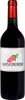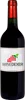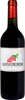
Winery КФХ ЛозаЦимлянский Чёрный (Tsymlyansky Cherny)
 Red wine


This wine generally goes well with poultry, beef or game (deer, venison).
The Цимлянский Чёрный (Tsymlyansky Cherny) of the Winery КФХ Лоза is in the top 10 of wines of Lower Volga.

Food and wine pairings with Цимлянский Чёрный (Tsymlyansky Cherny)
Pairings that work perfectly with Цимлянский Чёрный (Tsymlyansky Cherny)



Original food and wine pairings with Цимлянский Чёрный (Tsymlyansky Cherny)


The Цимлянский Чёрный (Tsymlyansky Cherny) of Winery КФХ Лоза matches generally quite well with dishes of beef, lamb or game (deer, venison) such as recipes of oxtail and carrot stew, lamb tagine with dried apricots or mixed paella valenciana.
Details and technical informations about Winery КФХ Лоза's Цимлянский Чёрный (Tsymlyansky Cherny).
Discover the grape variety: Danuta
Simple, fresh dry whites with a pale golden colour, supple palate with moderate acidity, undemonstrative aromas of citrus and white flowers. Productive. Grown in small quantities in central Europe for sustainably managed vineyards and hobby growers, mainly used for fresh consumption and organic viticulture. White hybrid variety bred through complex crossing for disease resistance.
Last vintages of this wine
The best vintages of Цимлянский Чёрный (Tsymlyansky Cherny) from Winery КФХ Лоза are 0
Informations about the Winery КФХ Лоза
The Winery КФХ Лоза is one of of the world's greatest estates. It offers 23 wines for sale in the of Lower Volga to come and discover on site or to buy online.

The wine region of Lower Volga
Russian vineyard along the lower Volga (from the Caspian delta to Volgograd), harsh continental climate requiring winter earthing-up of vines, sandy and loamy soils. Rkatsiteli (imported from Georgia, >1/3 of plantings) is the signature white: dry and crisp with citrus, green apple, white flowers, herbs and a mineral edge, taut acidity. Aligoté and Riesling also produced. Cold-resistant hybrids planted widely.
The word of the wine: Climate
Term used in Burgundy to designate a locality. The most famous climats are subject to specific recognition and constitute the first growths.