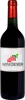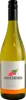
Winery Késa BirtokKésa Zöldveltelini
 wine
wine
This wine generally goes well with
The Késa Zöldveltelini of the Winery Késa Birtok is in the top 0 of wines of Balatonboglár.
Details and technical informations about Winery Késa Birtok's Késa Zöldveltelini.
Discover the grape variety: Hibou blanc
A very old grape variety once cultivated in Savoy, now endangered. It is not the white form of the black owl.
Informations about the Winery Késa Birtok
The Winery Késa Birtok is one of of the world's greatest estates. It offers 9 wines for sale in the of Balatonboglár to come and discover on site or to buy online.

The wine region of Balatonboglár
The wine region of Balatonboglár is located in the region of Balaton of Hungary. Wineries and vineyards like the Domaine Ikon or the Domaine Konyári produce mainly wines white, red and pink. The most planted grape varieties in the region of Balatonboglár are Chardonnay, Merlot and Pinot noir, they are then used in wines in blends or as a single variety. On the nose of Balatonboglár often reveals types of flavors of tropical fruit, tree fruit or citrus fruit and sometimes also flavors of red fruit, oak or non oak.
The wine region of Balaton
Balatonboglar (South Balaton) is one of several wine regions on the shores of Lake Balaton, in the Transdanubia region of western Hungary. Lake Balaton is a Long, thin freshwater lake measuring almost 80 kilometers (50 miles) in Length, sometimes referred to as the 'Hungarian Sea. ' It is the largest lake in Central Europe and Hungary's most popular tourist destination. A wide portfolio of the popular, internationally recognized Grape varieties are grown here, including a number of the French classics.
The word of the wine: Muscat blanc à petits grains
A white grape variety cultivated since antiquity on the shores of the Mediterranean, it is considered the noblest of the muscats. It is mainly used to make sweet wines, often from mutage. In France, it is the sole variety used in many natural sweet wines: muscat-de-frontignan, muscat-de-mireval, muscat-de-lunel, muscat-de-saint-jean-de-minervois, muscat-de-beaumes-de-venise, muscat-du-cap-corse. Combined with Muscat d'Alexandrie, it gives Muscat-de-Rivesaltes. It is also used to make sparkling white wines (clairette-de-die; moscato d'asti and asti spumante in Italy) and dry wines (alsace-muscat). Powerfully aromatic and complex, its wines evoke fresh grapes, roses, exotic fruits, citrus fruits and spices.