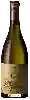
Winery Kerem Barak (יקב כרם ברק)Chardonnay Beqoa
 White wine


This wine generally goes well with pork, vegetarian or poultry.

Wine flavors and olphactive analysis

Food and wine pairings with Chardonnay Beqoa
Pairings that work perfectly with Chardonnay Beqoa



Original food and wine pairings with Chardonnay Beqoa

The Chardonnay Beqoa of Winery Kerem Barak (יקב כרם ברק) matches generally quite well with dishes of pork, rich fish (salmon, tuna etc) or vegetarian such as recipes of cantonese rice, papillotes of mackerel or vegan leek and tofu quiche.
Details and technical informations about Winery Kerem Barak (יקב כרם ברק)'s Chardonnay Beqoa.
Discover the grape variety: Chardonnay
Whites with many faces: mineral and taut at Chablis (lemon, green apple, flint), opulent and buttery at Meursault and Puligny-Montrachet (hazelnut, brioche, yellow fruits), tense and chalky in Champagne (Blanc de Blancs). Also vinified sparkling and widely exported (Sonoma, Margaret River, Casablanca). A Burgundian variety, a cross of Pinot Noir × Gouais Blanc, half-sibling of Aligoté.
Last vintages of this wine
The best vintages of Chardonnay Beqoa from Winery Kerem Barak (יקב כרם ברק) are 0
Informations about the Winery Kerem Barak (יקב כרם ברק)
The Winery Kerem Barak (יקב כרם ברק) is one of of the world's greatest estates. It offers 12 wines for sale in the of Judean Hills to come and discover on site or to buy online.

The wine region of Judean Hills
Qualitative heart of Israeli wine around Jerusalem, the country's first official AO (2020). Dense, structured reds with signature notes of ripe blackcurrant, blackberry, mint, eucalyptus, Mediterranean herbs and spice, firm tannins and freshness tightened by altitude. Cabernet Sauvignon and Merlot in Bordeaux blends. Also peppery Syrah, dense Petit Verdot.
The word of the wine: Rootstock
American vine on which a French vine is grafted. This is the consequence of the phylloxera that destroyed the vineyard at the end of the 19th century: after much trial and error, it was discovered that the "pest" spared the roots of the American vines, and the technique became widespread.