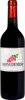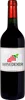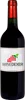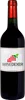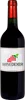
Winery Kc WineworksChambourcin Rose
 Pink wine



This wine generally goes well with

Wine flavors and olphactive analysis



On the nose the Chambourcin Rose of Winery Kc Wineworks in the region of Missouri often reveals types of flavors of microbio, oak or red fruit.
Details and technical informations about Winery Kc Wineworks's Chambourcin Rose.
Discover the grape variety: Pinot
An iconic family with varied profiles: fine, silky age-worthy reds (Pinot Noir) with cherry, raspberry and undergrowth aromas; lively mineral whites (Pinot Blanc/Weißburgunder); round spicy whites (Pinot Gris/Grauburgunder); fruity Champagne bases (Pinot Meunier/Spätburgunder). Stars of Burgundy, Alsace, Champagne, Germany and the New World. All mutations of a common Burgundian ancestor, among the world's greatest varieties.
Last vintages of this wine
The best vintages of Chambourcin Rose from Winery Kc Wineworks are 0
Informations about the Winery Kc Wineworks
The Winery Kc Wineworks is one of of the world's greatest estates. It offers 10 wines for sale in the of Missouri to come and discover on site or to buy online.

The wine region of Missouri
American Midwest vineyard, cradle of the first US AVA (Augusta, 1980, 8 months before Napa). Signature Norton/Cynthiana, the state's official grape and a native pride: dense, deeply coloured reds with signature notes of blackberry, candied black cherry, plum, coffee, leather and spices, firm tannins - fleshy age-worthy wines, robust against the humid continental climate. Also off-dry Vidal Blanc (citrus, honey), fruity red Chambourcin, peppery Cabernet Franc, lively Seyval Blanc.
The word of the wine: Presses
The juice that results from pressing the grapes after fermentation. At the end of the maceration, the vats are emptied, the first juice obtained is called the free-run wine and the marc remaining at the bottom of the vat is then pressed to give the press wine. We say more quickly "the presses". Their quality varies according to the vintage and the maceration. A too vigorous extraction releases the tannins of pips and the wine of press can then prove to be very astringent. Often the winemaker raises it separately, deciding later whether or not to incorporate it totally or partially into the grand vin.