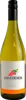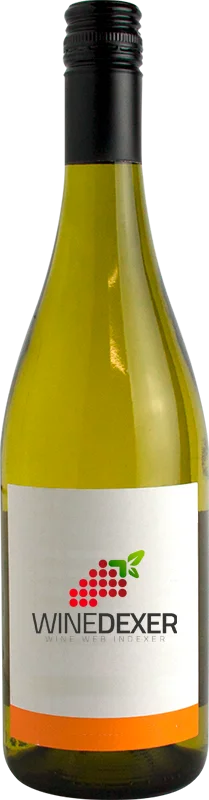
Winery KázsmérChardonnay
 White wine



This wine generally goes well with pork, vegetarian or poultry.

Wine flavors and olphactive analysis

On the nose the Chardonnay of Winery Kázsmér in the region of Balaton often reveals types of flavors of earth.
Food and wine pairings with Chardonnay
Pairings that work perfectly with Chardonnay



Original food and wine pairings with Chardonnay

The Chardonnay of Winery Kázsmér matches generally quite well with dishes of pork, rich fish (salmon, tuna etc) or vegetarian such as recipes of sausages with kale, salmon crumble or light tuna-tomato quiche (without cream).
Details and technical informations about Winery Kázsmér's Chardonnay.
Discover the grape variety: Chardonnay
Whites with many faces: mineral and taut at Chablis (lemon, green apple, flint), opulent and buttery at Meursault and Puligny-Montrachet (hazelnut, brioche, yellow fruits), tense and chalky in Champagne (Blanc de Blancs). Also vinified sparkling and widely exported (Sonoma, Margaret River, Casablanca). A Burgundian variety, a cross of Pinot Noir × Gouais Blanc, half-sibling of Aligoté.
Last vintages of this wine
The best vintages of Chardonnay from Winery Kázsmér are 2015, 0
Informations about the Winery Kázsmér
The Winery Kázsmér is one of of the world's greatest estates. It offers 10 wines for sale in the of Balaton to come and discover on site or to buy online.

The wine region of Balaton
Hungarian region around the largest lake in Central Europe, 6 zones including volcanic Badacsony. Signature Olaszrizling (Welschriesling), Hungary's most planted grape: lively, mineral whites with signature notes of almond, citrus, green apple, white flowers and a herbaceous touch, a crisp finish - a typical thirst-quenching wine. Also round Szürkebarát (Pinot Gris), ample Chardonnay, rare native Kéknyelű. Basalt in the north, lakeside climate.
The word of the wine: Yeast
Micro-organisms at the base of all fermentative processes. A wide variety of yeasts live and thrive naturally in the vineyard, provided that treatments do not destroy them. Unfortunately, their replacement by laboratory-selected yeasts is often the order of the day and contributes to the standardization of the wine. Yeasts are indeed involved in the development of certain aromas.