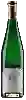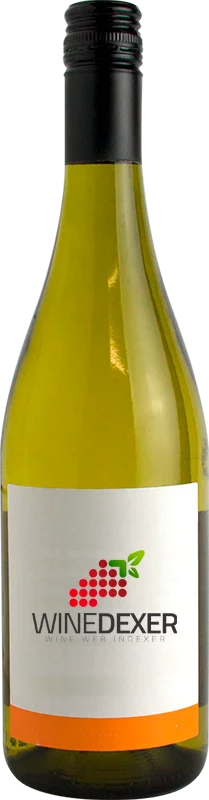
Winery KarlsmühleLorenzhöfer Weissburgunder Trocken
 White wine
In the mouth this white wine is a with a nice freshness.
This wine generally goes well with rich fish (salmon, tuna etc), shellfish or mild and soft cheese.

Taste structure of the Lorenzhöfer Weissburgunder Trocken from the Winery Karlsmühle
Light | Bold | |
Dry | Sweet | |
Soft | Acidic |
In the mouth the Lorenzhöfer Weissburgunder Trocken of Winery Karlsmühle in the region of Mosel is a with a nice freshness.
Food and wine pairings with Lorenzhöfer Weissburgunder Trocken
Pairings that work perfectly with Lorenzhöfer Weissburgunder Trocken



Original food and wine pairings with Lorenzhöfer Weissburgunder Trocken

The Lorenzhöfer Weissburgunder Trocken of Winery Karlsmühle matches generally quite well with dishes of rich fish (salmon, tuna etc), shellfish or mild and soft cheese such as recipes of sea bream in foil on the barbecue, monkfish in foil or savoyard pizza (cream base).
Details and technical informations about Winery Karlsmühle's Lorenzhöfer Weissburgunder Trocken.
Discover the grape variety: Gouget
Simple, fruity reds with a pale colour, a light ruby robe, silky tannins and an airy palate with moderate acidity. Understated aromas of red fruits. Discrete rustic profile. Nearly gone from commercial cultivation, preserved in INRAE varietal collections for its heritage value; it reflects pre-phylloxera ampelographic diversity. A rare French black grape, once grown in the centre and south-west.
Informations about the Winery Karlsmühle
The Winery Karlsmühle is one of of the world's great estates. It offers 30 wines for sale in the of Mosel to come and discover on site or to buy online.

The wine region of Mosel
Kingdom of lively, crystalline Riesling: citrus, green apple, gunflint, tangy tension and signature slate minerality. From light, fruity Kabinett to off-dry Spätlese, up to sweet Auslese and Trockenbeerenauslese of rare finesse. Some supple Müller-Thurgau and lively Elbling. Steeply sloped vineyards (up to 65% at the Bremmer Calmont) on blue and grey slate, 5,400 ha of Riesling (61.
The word of the wine: Vitis vinifera
The main species of vine cultivated in Europe and throughout the world, the origin of most of the great grape varieties.