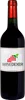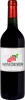
Winery KabminyeDurif
 wine
wine
This wine generally goes well with
The Durif of the Winery Kabminye is in the top 0 of wines of Barossa Valley.

Details and technical informations about Winery Kabminye's Durif.
Discover the grape variety: Carla
Light, fruity reds with a pale ruby robe, soft tannins and an airy palate with moderate acidity, showing undemonstrative aromas of southern red fruits. Discreet rustic profile. Almost vanished from commercial cultivation, preserved in INRAE varietal collections, forming part of the pre-phylloxera heritage varieties studied for their genetic interest. Rare French black grape formerly grown in the Southwest.
Informations about the Winery Kabminye
The Winery Kabminye is one of of the world's greatest estates. It offers 10 wines for sale in the of Barossa Valley to come and discover on site or to buy online.

The wine region of Barossa Valley
World icon of Australian Shiraz: powerful, silky, sun-drenched king red with notes of jammy blackberry, plum, dark chocolate, liquorice and a touch of sweet spice, enveloping tannins — Penfolds Grange and Henschke Hill of Grace as mythical bottles. Fleshy, spicy old-vine Grenache (up to 180 years), dense Mourvèdre, structured Cabernet as complement. GI northeast of Adelaide (~11,600 ha), hot dry climate, pre-phylloxera vines founded by Silesians in the 19th c.
The wine region of Australie du Sud
Cradle of the great Australian Shiraz: powerful, sun-drenched reds with notes of blackberry, candied plum, pepper, chocolate and eucalyptus, ample tannins and vibrant fruit (Barossa, McLaren Vale). Firm, minty Cabernet Sauvignon on Coonawarra (terra rossa). Dry, lemony Riesling from Clare and Eden Valley, straight and taut. Fresh Sauvignon and Chardonnay from Adelaide Hills.
The word of the wine: Oenologist
Specialist in wine-making techniques. It is a profession and not a passion: one can be an oenophile without being an oenologist (and the opposite too!). Formerly attached to the Faculty of Pharmacy, oenology studies have become independent and have their own university course. Learning to make wine requires a good chemical background but also, increasingly, a good knowledge of the plant. Some oenologists work in laboratories (analysis). Others, the consulting oenologists, work directly in the properties.