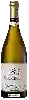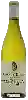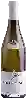
Winery Jules DescombinsOc Blanc
 White wine
In the mouth this white wine is a powerful.
This wine generally goes well with rich fish (salmon, tuna etc), shellfish or mild and soft cheese.

Taste structure of the Oc Blanc from the Winery Jules Descombins
Light | Bold | |
Dry | Sweet | |
Soft | Acidic |
In the mouth the Oc Blanc of Winery Jules Descombins in the region of Burgundy is a powerful.
Food and wine pairings with Oc Blanc
Pairings that work perfectly with Oc Blanc


Original food and wine pairings with Oc Blanc


The Oc Blanc of Winery Jules Descombins matches generally quite well with dishes of pasta, rich fish (salmon, tuna etc) or shellfish such as recipes of ham and cheese macaroni gratin, smoked salmon burger - chive cream or fideuà (paella with pasta and fish).
Details and technical informations about Winery Jules Descombins's Oc Blanc.
Discover the grape variety: Procanico
Simple and lively dry whites with a pale golden robe, a supple palate and preserved acidity, with understated aromas of citrus (lemon), white flowers, white-fleshed fruits (pear, apple) and herbal notes. A thirst-quenching profile to drink young. An essential component of the Orvieto DOC appellation in Umbria, defining the viticultural identity of central Italy around Orvieto. Italian synonym for Trebbiano Toscano grown in Umbria, a productive white grape.
Informations about the Winery Jules Descombins
The Winery Jules Descombins is one of of the world's great estates. It offers 20 wines for sale in the of Burgundy to come and discover on site or to buy online.

The wine region of Burgundy
Absolute reference for great terroir wines: opulent, mineral Chardonnay in whites (chiselled Chablis, buttery Meursault, majestic Montrachet), fine and silky Pinot Noir in reds (full-bodied Gevrey, structured Pommard, delicate Volnay). Exceptional age-worthy wines with complex notes - red fruits, undergrowth, butter, hazelnut. Some lively Aligoté and light Gamay (Mâconnais). 29,500 ha, 84 tiered AOCs (Régionale, Village, 1er Cru, Grand Cru), 1,247 UNESCO Climats.
The word of the wine: Complex
Said of a rich and concentrated wine offering a wide range of aromas and a tasty mouthfeel.