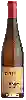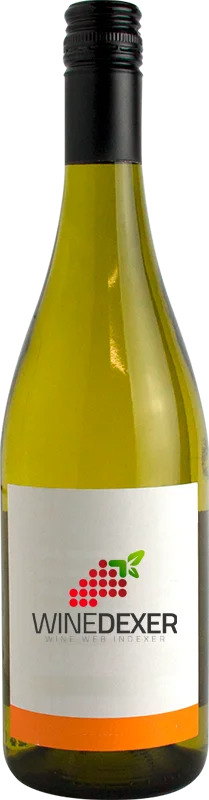
Winery Johannes EgbertsBereich Bernkastel Lieblich
 White wine
This wine generally goes well with

Details and technical informations about Winery Johannes Egberts's Bereich Bernkastel Lieblich.
Discover the grape variety: Grignolino
Light, elegant reds with a clear ruby robe (often compared to Pinot Noir), fine but firm tannins and lively acidity, with aromas of red cherry, raspberry, rose, spice, white pepper and herbal notes. Airy palate, slightly bitter finish. Star of Grignolino d'Asti DOC and Grignolino del Monferrato Casalese DOC in the Piedmontese hills. This autochthonous Piedmontese variety takes its name from grignole (the many pips it contains).
Informations about the Winery Johannes Egberts
The Winery Johannes Egberts is one of of the world's great estates. It offers 24 wines for sale in the of Rheinhessen to come and discover on site or to buy online.

The wine region of Rheinhessen
71% white region: Riesling is king (5,000 ha), dry to off-dry, ripe yellow fruit, apple, citrus and fine saline minerality. Supple, floral Müller-Thurgau for everyday, the world's largest Silvaner plantation with herbaceous, straight notes. Historic cradle of off-sweet Liebfraumilch. Some supple reds (Dornfelder, Spätburgunder).
The word of the wine: Wrapped
Said of a wine rich in alcohol, but in which the mellowness dominates.