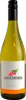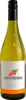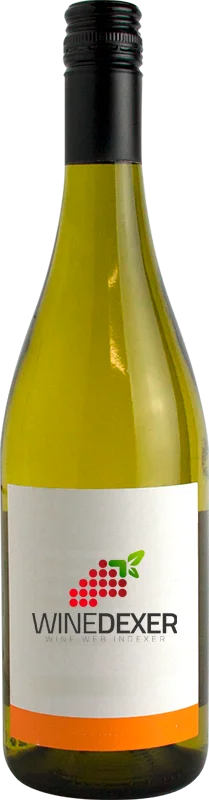
Winery Jean-Pierre MichelMademoiselle Viré-Clessé
 White wine
This wine generally goes well with

Details and technical informations about Winery Jean-Pierre Michel's Mademoiselle Viré-Clessé.
Discover the grape variety: Findling
Aromatic, supple whites with a pale golden robe, an ample palate with moderate acidity, and signature muscat aromas of white flowers (elderflower), yellow fruits (peach) and riper notes than its parent Müller-Thurgau. Accessible and fruity profile. Grown on a few hectares in Rhineland-Palatinate for local cuvées. A mutation of Müller-Thurgau obtained in 1934 in Germany, with smaller bunches and earlier ripening.
Informations about the Winery Jean-Pierre Michel
The Winery Jean-Pierre Michel is one of of the world's greatest estates. It offers 13 wines for sale in the of Viré-Clessé to come and discover on site or to buy online.

The wine region of Viré-Clessé
First Village appellation of the Maconnais (recognised in 1998): Chardonnay as exclusive signature white king — pale gold robe with ashen glints and signature aromatic profile of white flowers (acacia, hawthorn, honeysuckle, broom), apricot, peach, pear, almond and a quince touch, ample and fruity palate, tender and powerful marked by the typical Maconnais minerality and the sweetness of ripe grapes. AOC, marl-limestone, semi-continental climate, signature ageing 5-6 years, sometimes longer.
The wine region of Burgundy
Absolute reference for great terroir wines: opulent, mineral Chardonnay in whites (chiselled Chablis, buttery Meursault, majestic Montrachet), fine and silky Pinot Noir in reds (full-bodied Gevrey, structured Pommard, delicate Volnay). Exceptional age-worthy wines with complex notes - red fruits, undergrowth, butter, hazelnut. Some lively Aligoté and light Gamay (Mâconnais). 29,500 ha, 84 tiered AOCs (Régionale, Village, 1er Cru, Grand Cru), 1,247 UNESCO Climats.
The word of the wine: Tasting
Sensory analysis of the wine according to a precise procedure and steps, using an appropriate vocabulary.